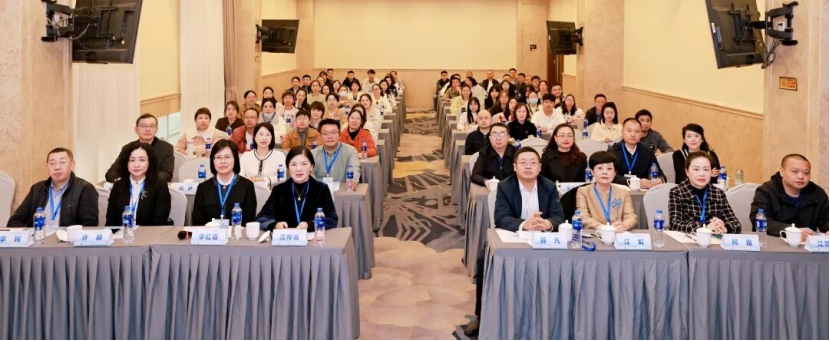
In order to improve the ability of inspection quality management, enhance the medical staff of medical inspection and related departments to understand the new progress and trends of clinical inspection quality control, be familiar with precision inspection technology and its clinical application value, and strengthen academic exchanges and technical cooperation, from November 1 to November 2, 2025, the Provincial continuing medical education project "Application of precision inspection in the diagnosis and treatment of infectious diseases" training course and the organized continuing medical education practice activity "Chengdu high tech Zone inspection quality control training course" were held in Chengdu, jointly sponsored by Chengdu high tech Medical Association and Chengdu integrated traditional Chinese and Western Medicine Hospital (Chengdu first people's Hospital), and undertaken by the inspection special committee of Chengdu high tech Medical Association, the inspection quality control sub center of high tech Zone, and the clinical blood quality control sub center of high tech Zone.The. More than 150 laboratory medicine colleagues from medical institutions and scientific research institutes inside and outside the region gathered together to carry out a thematic academic discussion on cutting-edge issues such as the innovative application of laboratory technology, the construction of laboratory quality control system, the inspection and diagnosis strategy of difficult diseases, and the multidisciplinary joint inspection mode.
Laboratory medicine is the "eye" of clinical diagnosis and treatment - from the early recognition of infectious diseases to the dynamic monitoring of treatment effects, from laboratory quality control to the collaboration of multidisciplinary diagnosis and treatment, every accurate test report is the "key puzzle" to protect the life and health of patients. As an important academic exchange platform in the field of regional inspection, this meeting not only builds a bridge for medical personnel inside and outside the region to learn cutting-edge technologies and share practical experience, but also will promote the standardization of inspection quality management and help precision inspection technology better serve the clinical needs of infectious disease diagnosis and treatment.