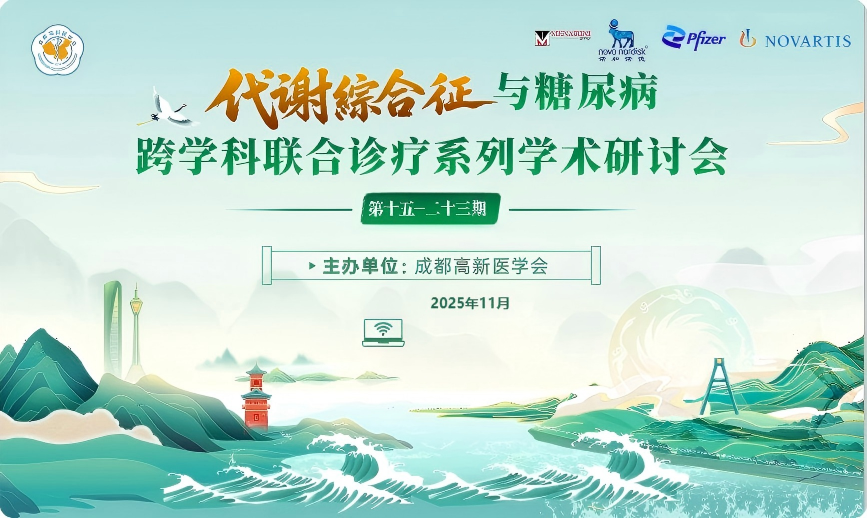
Metabolic syndrome is not a disease of a single organ, but rather a complex network interwoven with abnormal blood glucose, elevated blood pressure, dyslipidemia, and abdominal obesity. Its core outcome—diabetes and its multisystem complications affecting the heart, kidneys, brain, and more—cannot be addressed by a single medical discipline alone. To tackle this, the Chengdu High-Tech Zone Medical Association specially organized the 15th Multidisciplinary Academic Symposium on Integrated Diagnosis and Treatment of Metabolic Syndrome and Diabetes. This conference aims to integrate the expertise and experience from multiple fields, including endocrinology, cardiovascular medicine, nephrology, neurology, nutrition, rehabilitation, and health management, into a unified diagnostic and therapeutic framework. Its profound significance lies in promoting a fundamental shift in medical practice from "single-disease management" to "comorbidity management."
The conference focused on cutting-edge advancements, not only to share new knowledge but also to examine topics such as the cardiorenal benefits of novel hypoglycemic drugs, mechanisms of metabolic inflammation, and the application of digital health technologies within an interdisciplinary context. This approach seeks to stimulate integrated thinking that can directly guide clinical practice. We confronted pressing clinical challenges head-on—how to harmonize treatment goals across different specialties, how to develop safe and effective regimens for diabetic patients with comorbid heart and kidney diseases, and how to successfully implement lifestyle interventions. Through multi-perspective exchange and dialogue, we aimed to establish practical collaborative pathways and consensus.