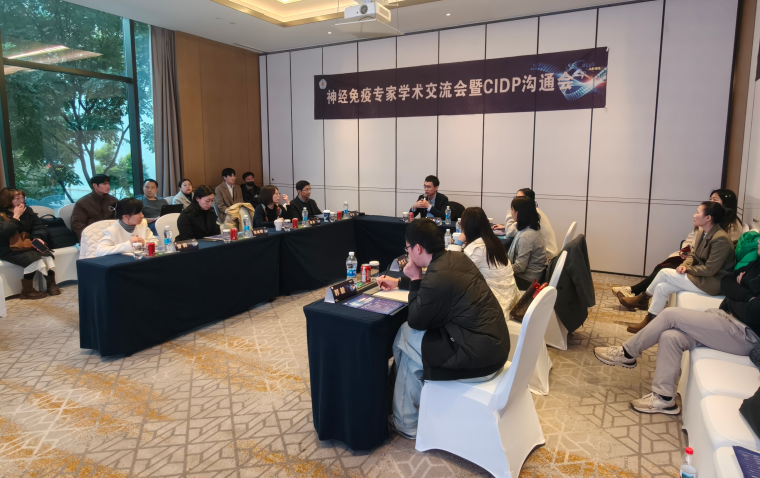
On December 14th, the "Focus on Neurology, Embracing the Future—2025 Neuroimmunology Experts Academic Exchange Conference and CIDP Communication Meeting," hosted by the Chengdu High-tech Zone Medical Association, was successfully held in Chengdu. This conference brought together leading experts and scholars in the field of neuroimmunology from both within and outside the province. They engaged in in-depth exchanges on the diagnostic and therapeutic advancements and clinical practices of typical autoimmune diseases such as Myasthenia Gravis (MG) and Chronic Inflammatory Demyelinating Polyneuropathy (CIDP), injecting new momentum into promoting the standardized and precise diagnosis and treatment of neuroimmune diseases in China.
As a significant category of neurological diseases, neuroimmune disorders impose an increasingly severe disease burden and healthcare burden. In recent years, with the notable improvement in the diagnosis and treatment of autoimmune neurological diseases in China—particularly the successive introduction of various innovative drugs—more abundant and effective treatment options have become available for conditions like MG and CIDP. Against this backdrop, this academic exchange conference aimed to establish a high-level professional dialogue platform, fostering the sharing of cutting-edge disciplinary knowledge and clinical experience. The conference invited several renowned domestic neuroimmunology experts to deliver specialized reports, covering fundamental theoretical research, analysis of clinical hot topics, and practical classic case studies in neuroimmune diseases, demonstrating foresight, practicality, and operability.
During the specialized report sessions, the participating experts provided systematic elaborations on multiple dimensions, including the pathogenesis of MG and CIDP, optimization of diagnostic criteria, personalized treatment strategies, the application of novel biological agents, and long-term management. The experts unanimously agreed that with the emergence of innovative therapies such as targeted drugs and immunomodulators, the treatment of neuroimmune diseases is entering an era of precision, offering renewed hope to patients. Simultaneously, the experts emphasized the importance of multidisciplinary collaboration, comprehensive management, and patient education in enhancing treatment efficacy and quality of life.
This conference not only provided valuable learning and exchange opportunities for medical professionals in the field of neuroimmunology but also played a positive role in promoting the homogenized improvement of neuroimmunology diagnosis and treatment standards both regionally and nationally. Attendees expressed that they would seize this conference as an opportunity to integrate cutting-edge knowledge and practical techniques into their daily clinical work, jointly striving to provide higher-quality and more standardized medical services for patients with neuroimmune diseases.