


Practical Training Course on Wound Relaxation and Cosmetic Suture Techniques (Chengdu Station) Successfully Held
To further enhance the standardized level of emergency wound repair in the Sichuan-Chongqing region and promote the clinical application of cosmetic suture techniques at the primary level, the Practical Training Course on Wound Relaxation and Cosmetic Suture Techniques (Chengdu Station) was successfully convened on April 10, 2026, at Mandao Hotel in Chengdu. Hosted by the Chengdu Hi-Tech Medical Association and organized by the Sichuan-Chongqing Committee of Wound Repair, the conference centered on the philosophy of "Building a Solid Theoretical Foundation, Empowering Clinical Practice, and Leading with Standardization", attracting over 100 medical professionals specializing in emergency medicine and wound repair from across Sichuan and Chongqing.
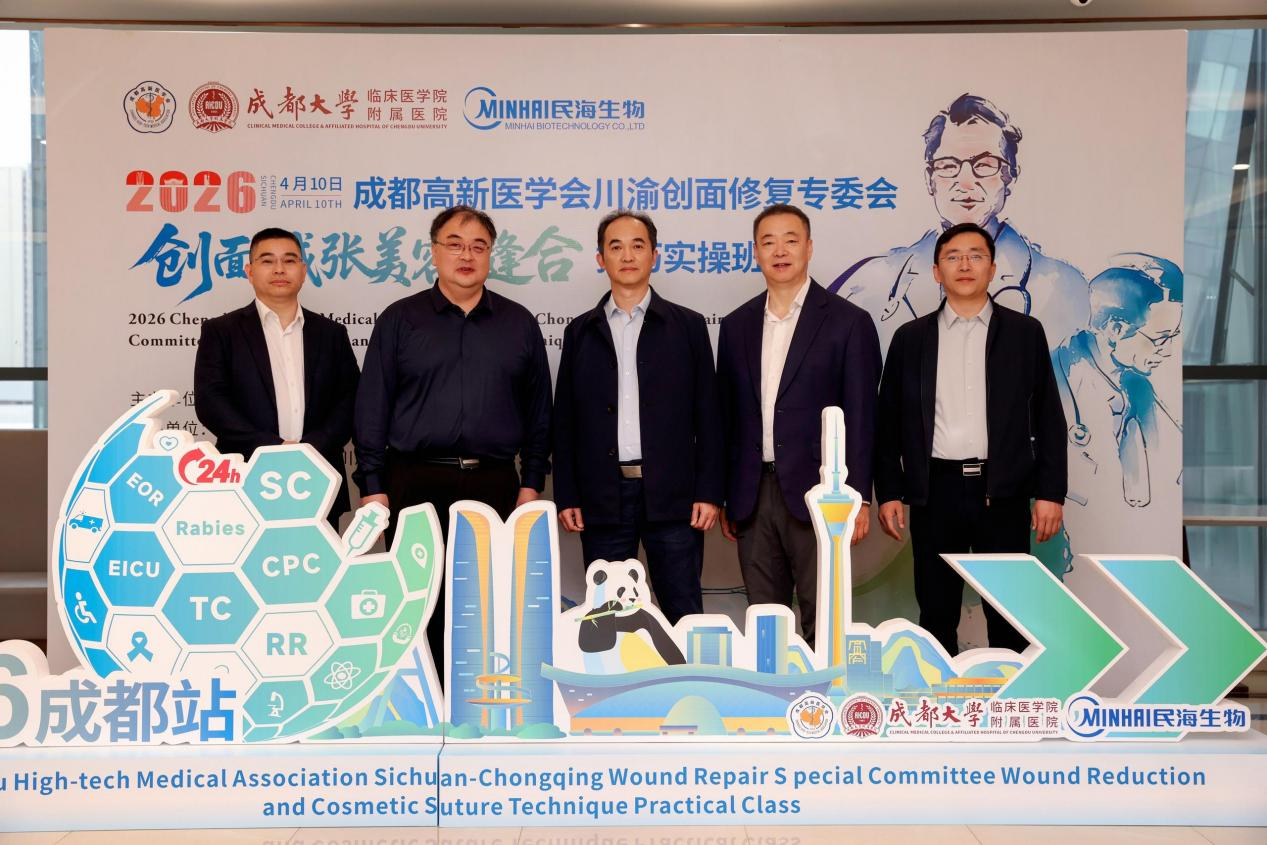
During the opening ceremony, Director Liang Longbin from the Affiliated Hospital of Chengdu University delivered a speech on behalf of the organizer. He noted that as public demand for both "functional recovery and aesthetic repair" of wounds continues to rise, traditional emergency suturing can no longer meet modern medical expectations. Focusing on key clinical techniques including animal-inflicted injury management, super-relaxation cosmetic suturing, and scar prevention and management, the training course aimed to address technical gaps in primary care through an integrated model of "lectures, hands-on practice, and discussion". It strives to ensure emergency treatment achieves both safety and aesthetic outcomes, effectively improving patients’ medical experience.
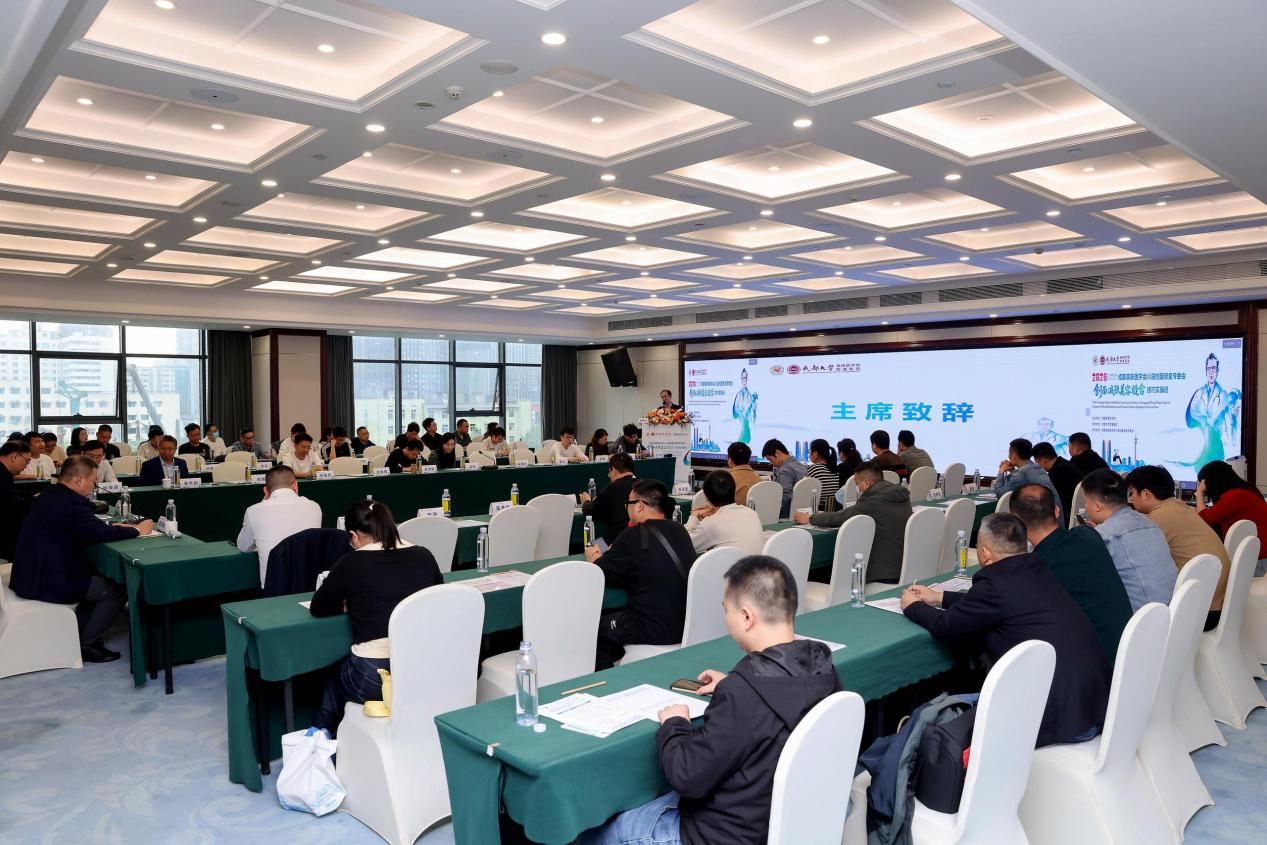
The academic session brought together renowned experts from inside and outside the province to deliver high-quality lectures:
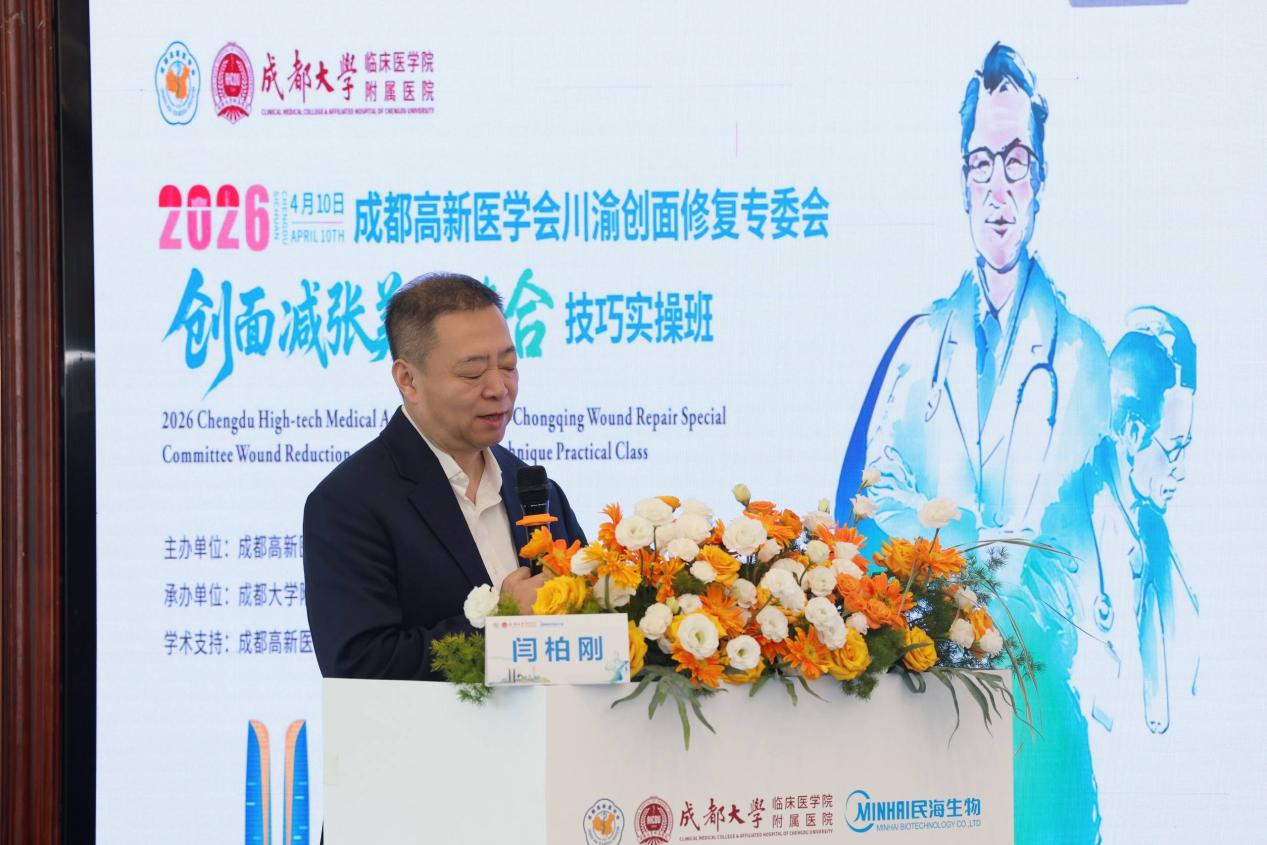
Professor Yan Bogang from the Third Affiliated Hospital of Chongqing Medical University delivered an in-depth interpretation of the General Principles of Standardized Management of Animal- Inflicted Injuries, clarifying core clinical protocols.
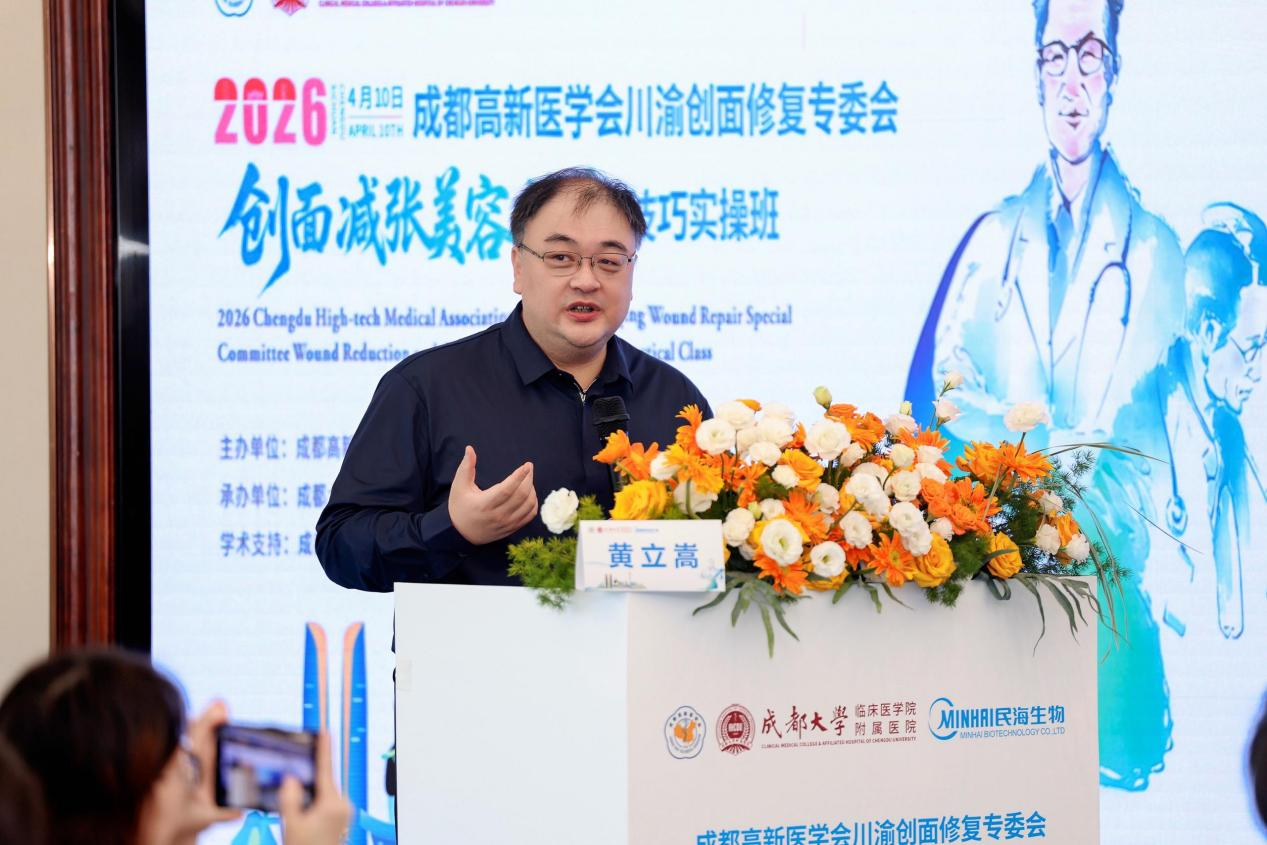
Professor Huang Lisong from Beijing Aerospace Center Hospital shared Principles of Management for Acute Facial Wounds Caused by Animal Attacks, focusing on repair strategies for high-risk anatomical sites.
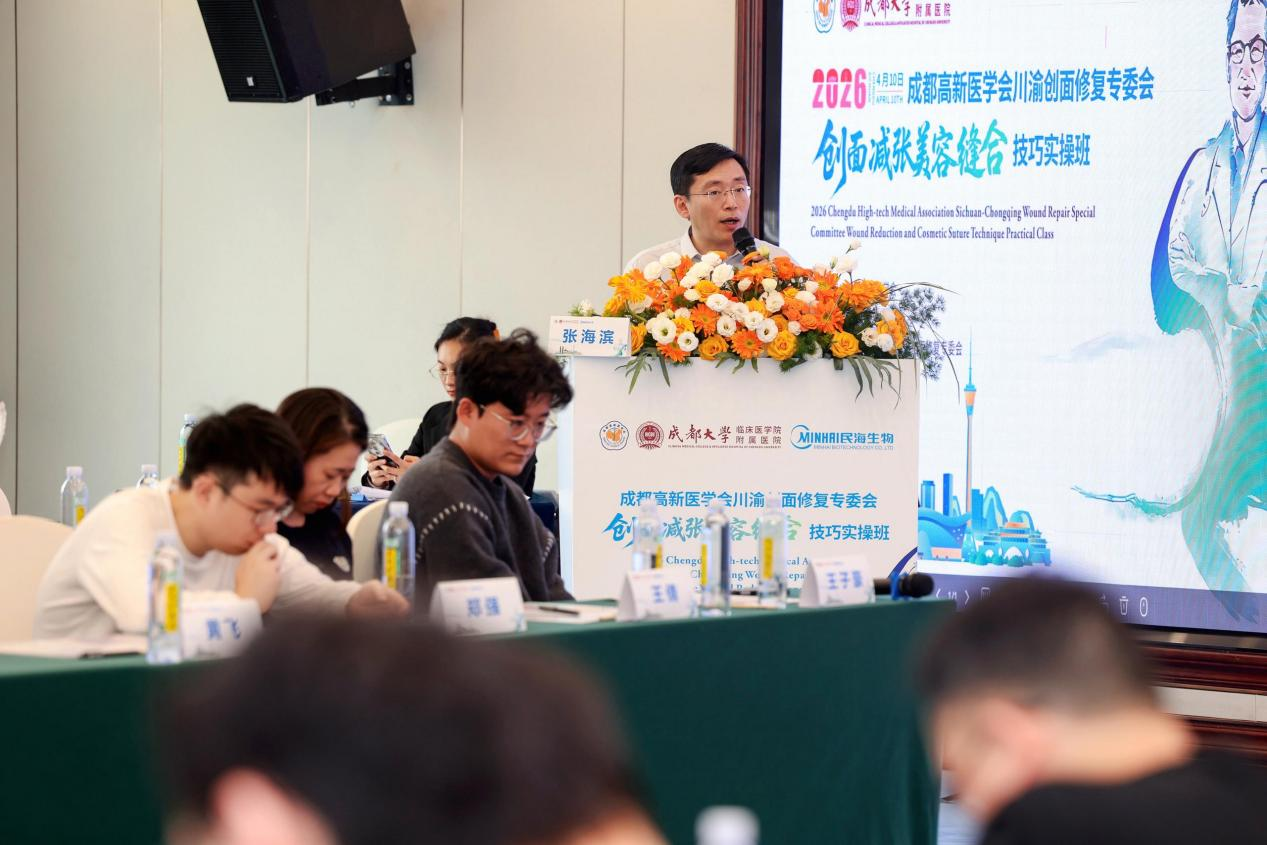
Teacher Zhang Haibin from Beijing Aerospace Center Hospital presented Clinical Experience of Super-Relaxation Suture Techniques in Emergency Trauma, introducing cutting-edge suture concepts.
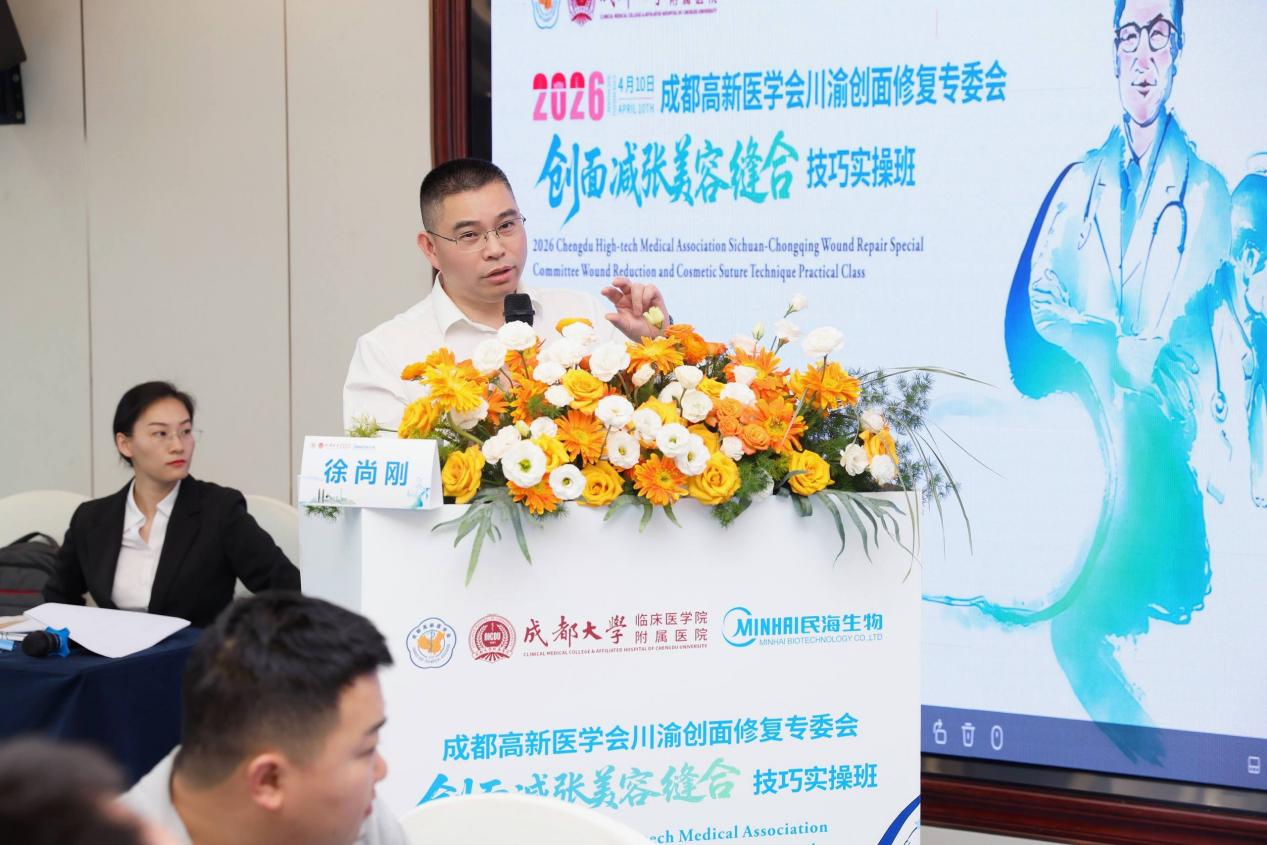
Director Xu Shanggang from the Affiliated Hospital of Chengdu University delivered a lecture titled Making Wounds Invisible: A Brief Discussion on Meticulous Cosmetic Suturing, elaborating on practical cosmetic suture skills.
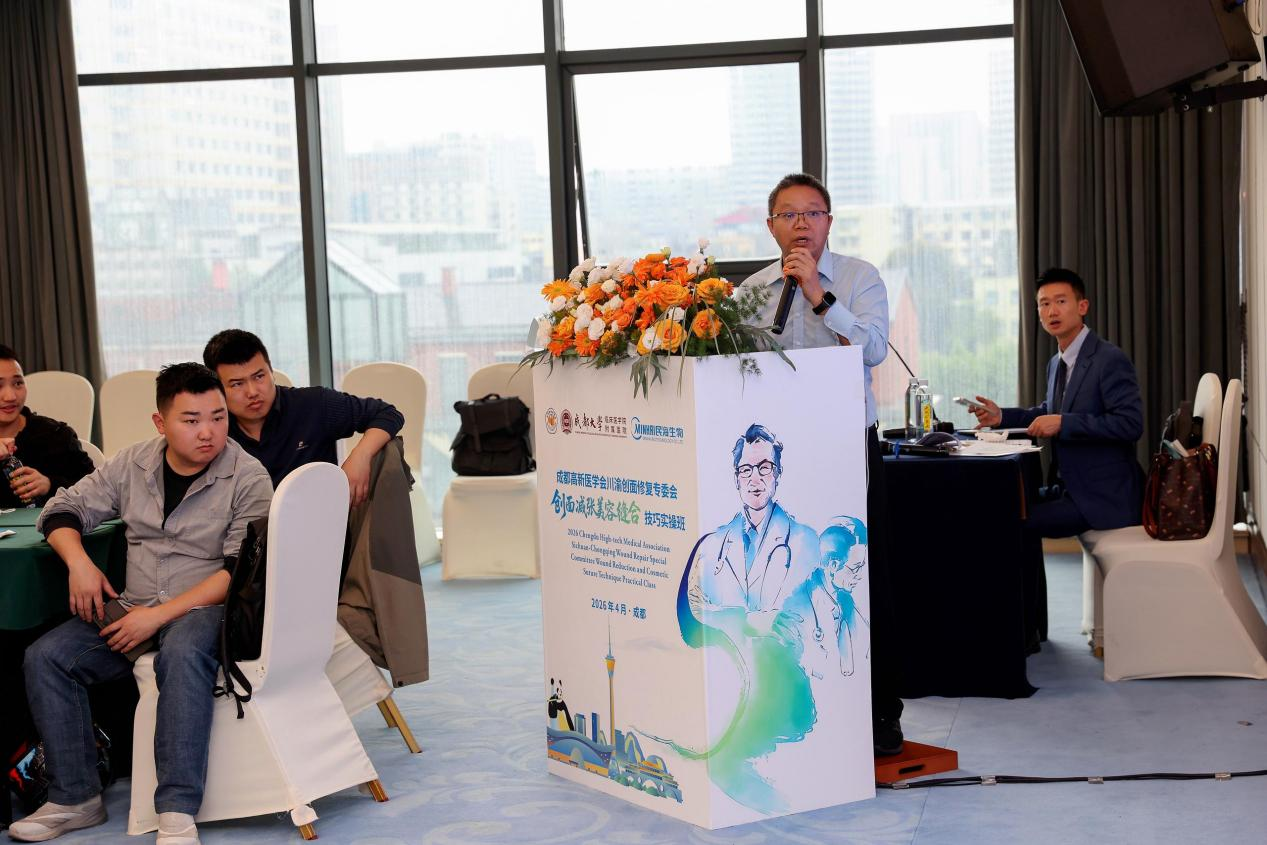
Director Dong Pingjian from Chengdu Jinniu District People’s Hospital focused on High-Risk Rabies Exposures and Clinical Response Strategies, emphasizing the bottom line of safe clinical management.
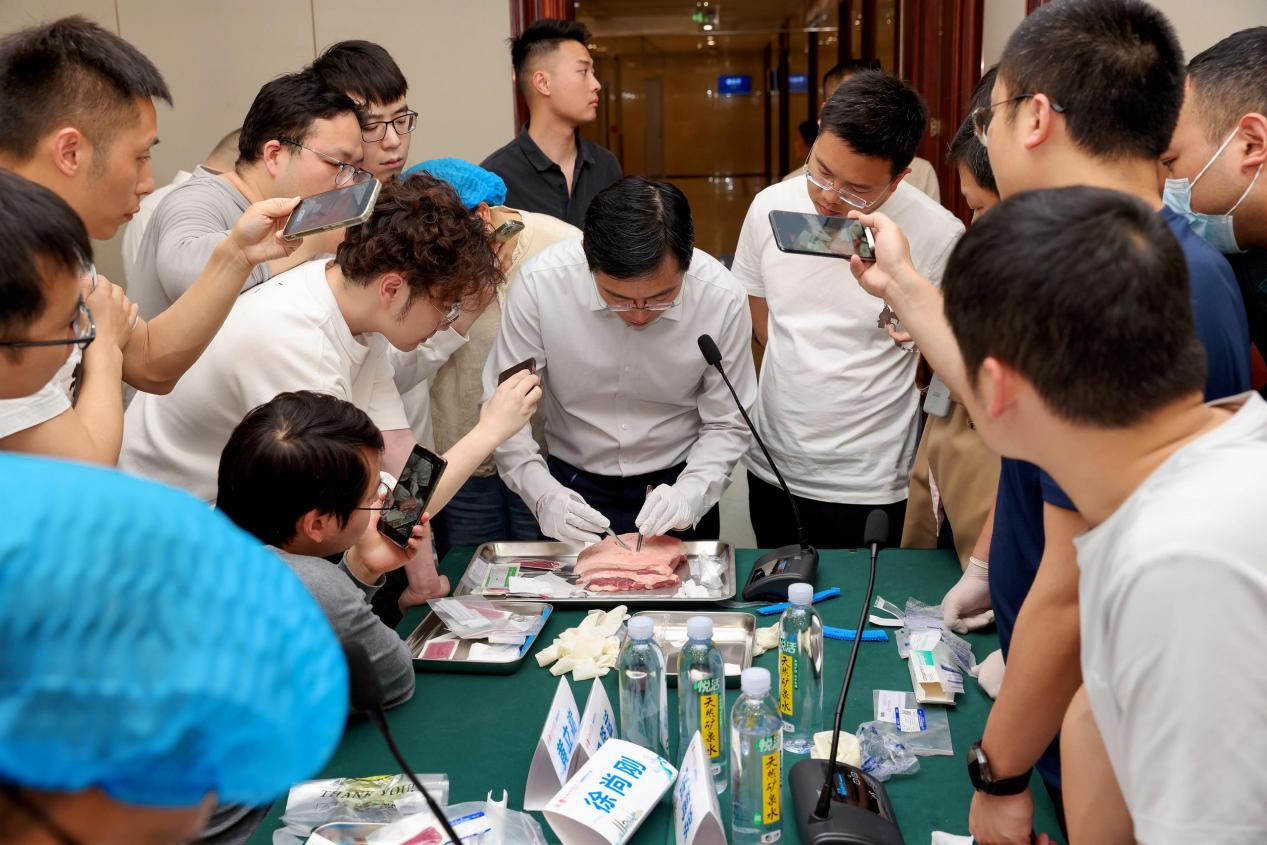
The afternoon practical session was chaired by Director Luo Yao from Chengdu Public Health Clinical Center. A distinguished expert team consisting of Professor Huang Lisong, Teacher Zhang Haibin from Beijing Aerospace Center Hospital, and Director Xu Shanggang’s team from the Affiliated Hospital of Chengdu University provided one-on-one guidance using pig skin models. Trainees mastered five core skills: layered suturing of various emergency wounds, selection of cosmetic suture materials, meticulous suture techniques, scar prevention and management, and response strategies for special emergency situations. The session featured a highly engaged learning atmosphere, with participants actively practicing and asking questions, enabling rapid translation of theoretical knowledge into clinical competence.
During the discussion session, directors from multiple primary hospitals in Dayi, Jinniu, Wenjiang, Leshan, and Xindu districts engaged in in-depth exchanges on pressing clinical issues. Topics included interpretation of the 2023 National Immunization Program, indications for cosmetic suturing, application of vaccines and passive immunization agents, balancing safety and aesthetics in emergency suturing, as well as qualification and charging standards. Experts responded to questions on site, building consensus and resolving practical bottlenecks.
At the conclusion of the conference, Director Xu Shanggang delivered a closing speech. He stated that the Chengdu training course had established an efficient platform for learning and exchange, providing a full-chain training program from theory to practice, and laying a solid foundation for the homogenized development of emergency wound repair techniques in the Sichuan-Chongqing region. He expressed gratitude to the experts for their valuable insights, the participants for their active engagement, and Beijing Minhai Biotechnology for its strong support. He encouraged all trainees to apply what they had learned in clinical practice to better serve patients.
Practice-oriented and standard-guided, this conference effectively improved the wound repair and cosmetic suture capabilities of primary medical staff, contributing to the high-quality development of emergency trauma care in the Sichuan-Chongqing region.


