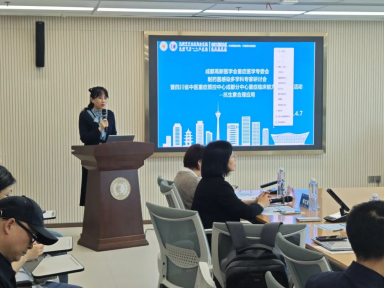
On April 7th, 2026, a multidisciplinary expert seminar on drug-resistant bacterial infections and a series of activities to improve the critical clinical ability of the Chengdu Branch of the Sichuan Provincial Center for critical care quality control of traditional Chinese medicine, the Symposium on rational use of antibiotics, hosted by the Chengdu high tech Medical Association and organized by the critical care medicine special committee of the Chengdu high tech Medical Association, the Chengdu Branch of the Sichuan Provincial Center for critical care quality control of traditional Chinese medicine, and the Department of critical care medicine of the Chengdu first people's Hospital, were successfully held in the Chengdu first people's hospital.
Focusing on the major challenges of bacterial resistance in the field of global public health, this meeting focused on the clinical pain points and academic frontier of the diagnosis and treatment of drug-resistant bacterial infections in critically ill patients. It brought together top experts from many medical institutions in the province, including West China Hospital of Sichuan University, Sichuan Provincial people's Hospital, Chengdu first people's Hospital and other medical institutions in the fields of critical medicine, pharmacy, microbiology, infectious diseases and other disciplines, and built a high-level academic exchange platform for practitioners of critical medicine, pharmacy, laboratory medicine and related clinical medicine in the region through thematic lectures, case reviews, expert Q&a, academic discussions and other forms, to fully promote the homogenization of the standardized application of antibiotics and the diagnosis and treatment of severe infections.
The meeting set up a thinking collision and expert Q&a session. The on-site participants actively asked questions around the difficulties in diagnosis and treatment and the confusion of antibiotic use encountered in clinical work. The participating experts answered one by one in combination with their own academic accumulation and clinical experience. The on-site academic atmosphere was strong and the interaction and exchange were warm. At the end of the meeting, Professor caolianghai, chairman designate of the Special Committee on critical care medicine and chairman of the conference, made a concluding speech. He said that the content of this meeting was closely related to clinical needs, fully reflected the core value of multidisciplinary cooperation in the diagnosis and treatment of drug-resistant bacterial infections, and successfully achieved the objectives of academic exchanges and capacity improvement. We hope to take this meeting as an opportunity to continue to deepen the academic cooperation in the field of critical care medicine in the region, continue to promote the standardized and rational application of antibiotics, comprehensively improve the multidisciplinary diagnosis and treatment level of drug-resistant bacterial infection, and escort the high-quality development of regional critical care medicine and the life and health of the people. The successful holding of this meeting has further updated the concept of drug-resistant bacteria diagnosis and treatment for practitioners of critical care medicine and related clinical medicine in the region, consolidated the clinical foundation for the rational application of antibiotics, and injected solid academic power into Chengdu and surrounding areas to cope with the challenges of public health of bacterial resistance and improve the treatment ability of severe infections.