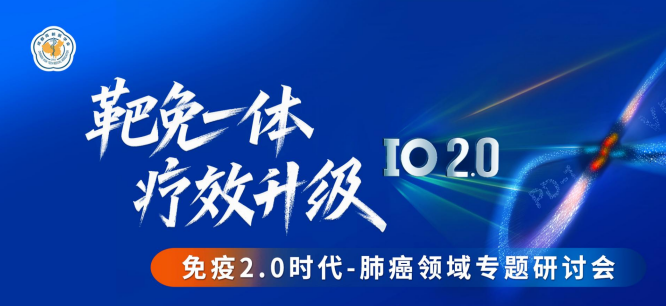
Lung cancer holds the highest incidence and mortality rates among malignant tumors in China, making its prevention and treatment a significant challenge in the country's public health efforts. With diagnostic and therapeutic technologies entering the "Era of Immunotherapy 2.0," represented by immunotherapy, precision diagnosis, standardized comprehensive treatment, and whole-process management of lung cancer have become central to improving patients' quality of life and prognosis. To address this need and advance regional lung cancer diagnosis and treatment to a higher level, the Chengdu High-Tech Medical Association successfully held the "Era of Immunotherapy 2.0: Special Seminar on Lung Cancer" on August 31, 2025.
This seminar aimed to establish a high-level, cutting-edge academic exchange platform, focusing on three core themes: standardized diagnostic and therapeutic pathways for lung cancer, scientific management of treatment-related adverse reactions, and the latest domestic and international research advances. The conference emphasized how to integrate multidisciplinary expertise under the backdrop of the "Era of Immunotherapy 2.0" to optimize the entire management process—from early screening and precision diagnosis to individualized treatment and rehabilitation follow-up—ultimately achieving the dual goals of extending patient survival and improving quality of life. A notable highlight of the seminar was its distinct multidisciplinary collaboration (MDT) approach. The organizers precisely invited and welcomed healthcare professionals from various disciplines related to lung cancer diagnosis and treatment to participate. This convergence aimed to foster the integration of perspectives among experts in the field through intellectual exchange, collaboratively developing more scientific and individualized treatment plans for patients, truly reflecting the patient-centered modern medical philosophy. The seminar featured presentations and discussions on topics such as "The 'Addition and Subtraction' of Treatment Strategies for Non-Small Cell Lung Cancer Under Biomarker Guidance—Clinical Applications of ΔctDNA and Peripheral T Cell Subsets" and "PD-1/VEGF Bispecific Antibodies Redefining Standard Treatment for NSCLC After EGFR-TKI Resistance." These sessions enabled healthcare professionals from primary medical institutions to listen to and engage with leading experts in the field, effectively promoting the dissemination and application of advanced diagnostic and therapeutic concepts and technologies. This has significant implications for elevating the overall multidisciplinary diagnosis and treatment standards for lung cancer in the region.
The association remains committed to advancing medical discipline development through high-quality academic activities. This lung cancer-focused seminar is a concrete initiative in response to the national call for cancer prevention and treatment and in service of clinical needs. It is hoped that this conference will provide attendees with new knowledge and inspiration, collectively contributing to the progress of lung cancer prevention and treatment in China.