



To implement national specifications for the quality management of ambulatory medical care, advance the standardized construction of the full-process ambulatory surgery system, and boost homogeneous and high-quality development of regional ambulatory medical services, the 2026 Annual Academic Conference of the Ambulatory Surgery Committee was successfully held in Chengdu on July 4, 2026. Hosted by Chengdu Hi-Tech Medical Association and undertaken by West China Hospital Shangjin Branch of Sichuan University and the Ambulatory Surgery Committee of Chengdu Hi-Tech Medical Association, the conference brought together core practitioners including directors of ambulatory surgery centers, surgeons, anesthesiologists, specialized nurses, and medical quality control staff. It built a high-level academic exchange platform integrating policy interpretation, clinical discussion, management innovation and experience sharing.
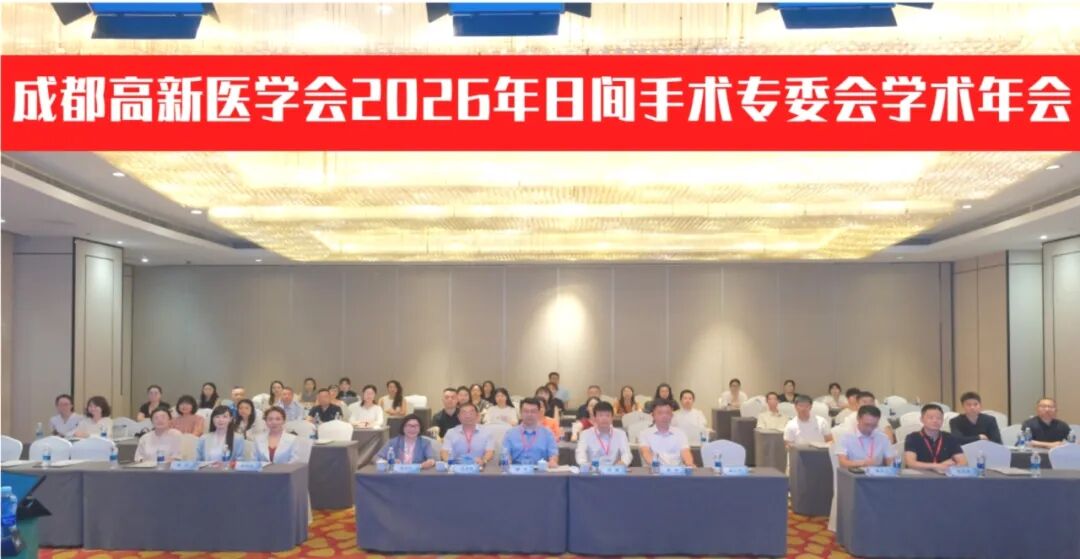
1. Opening Ceremony
The opening ceremony was presided over by Professor Li Zhichao, Chairperson of the Ambulatory Surgery Committee. Fan Tao, Vice President of West China Hospital Shangjin Branch of Sichuan University, delivered an address, and Ai He, Vice President and Deputy Secretary-General of Chengdu Hi-Tech Medical Association, spoke on behalf of the association.
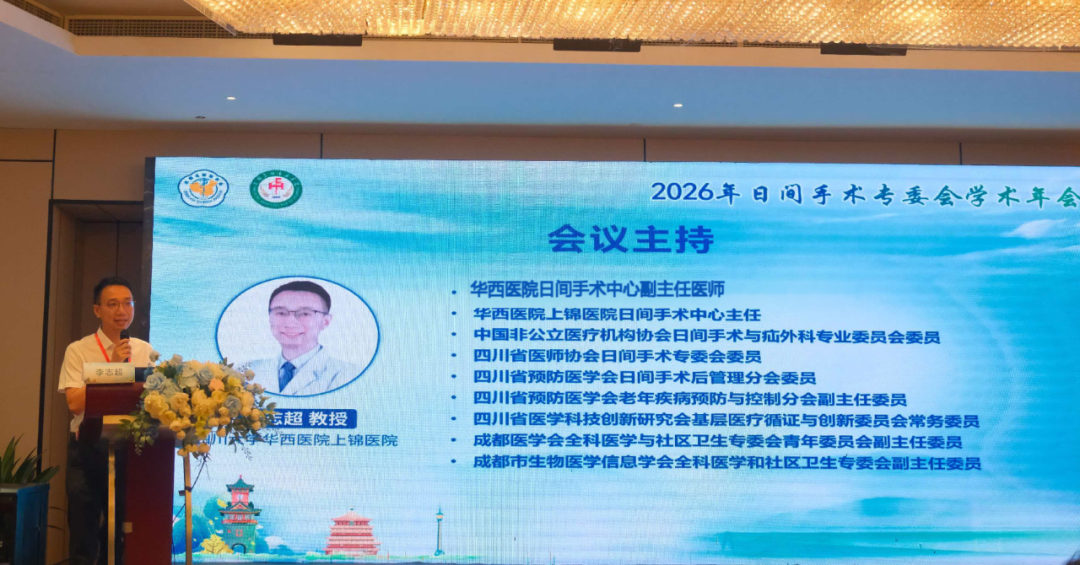
Professor Li Zhichao, West China Hospital Shangjin Branch of Sichuan University
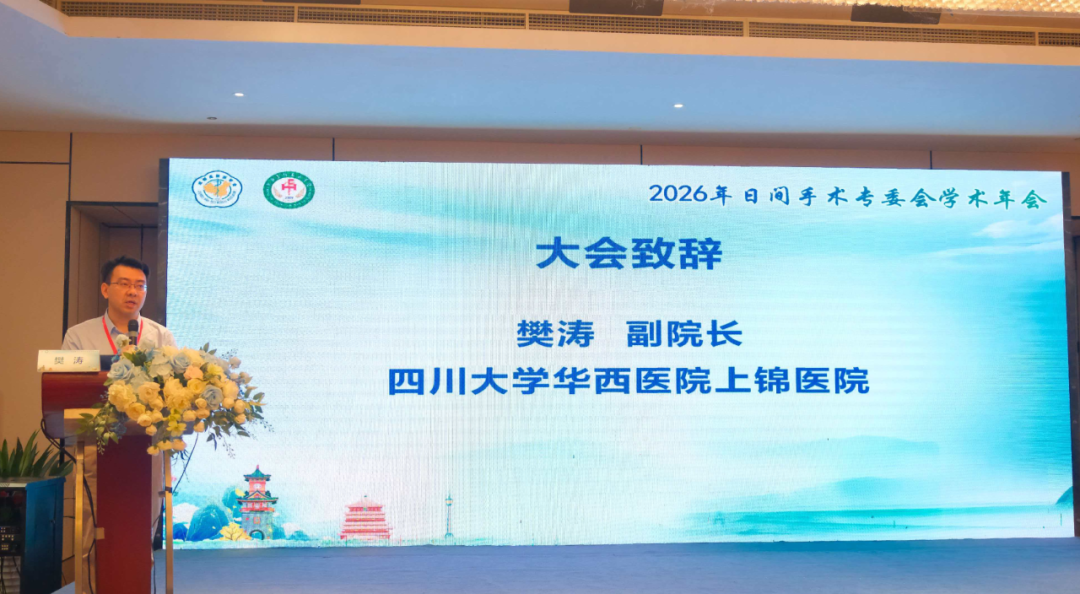
Vice President Fan Tao, West China Hospital Shangjin Branch of Sichuan University
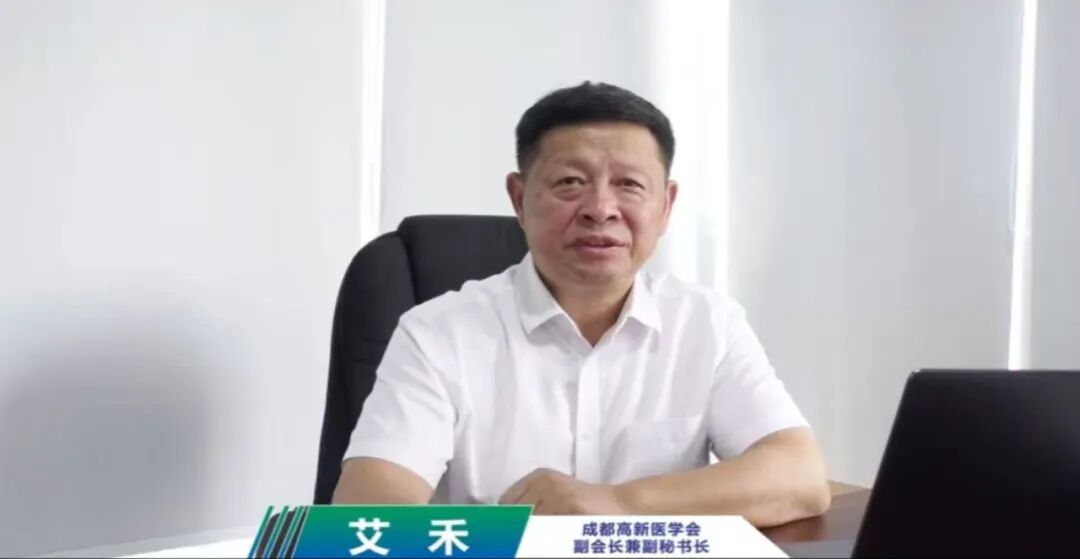
Ai He, Vice President & Deputy Secretary-General, Chengdu Hi-Tech Medical Association
The speakers stressed that ambulatory surgery serves as a vital measure to optimize medical resources, reduce residents’ medical burdens and deepen medical reform. They urged all participants to take this annual conference as an opportunity to address weaknesses in quality control, innovate service models, strengthen multidisciplinary collaboration, and consistently consolidate the safety bottom line of ambulatory surgery.
2. Academic Sessions
The conference featured a wide range of topics covering the full-process management of ambulatory surgery.
Preoperative preventive analgesia: Practical protocols for perioperative pain management were shared;
Risk control: The standardized perioperative risk management system for obese patients undergoing surgery was elaborated, with special discussions on integrated obesity treatment combining weight-loss medication and surgery;
Specialty exchanges: Operational experience of integrated ambulatory wards and biliary surgery departments was presented;
International forum: A comparative analysis of ambulatory surgery models in China and the United Kingdom provided references for domestic system construction;
Smart healthcare: Achievements of artificial intelligence applied throughout the screening, diagnosis, treatment and follow-up workflow of hernia surgery were introduced.
Distinguished Speakers
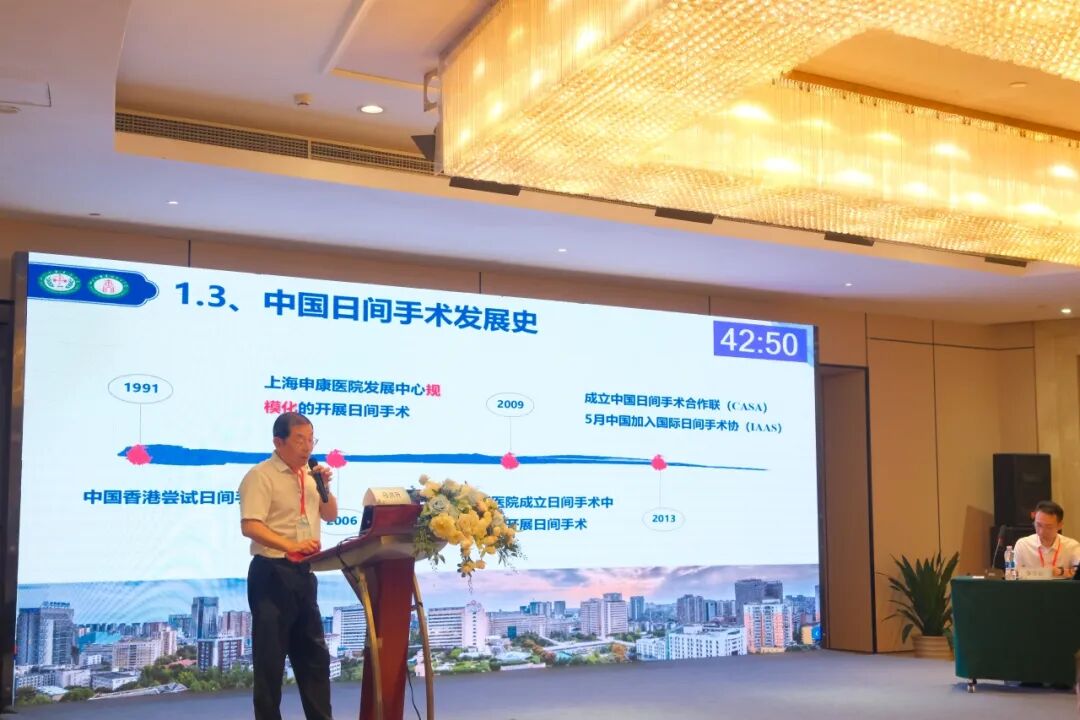
Professor Ma Hongsheng, West China Tianfu Hospital of Sichuan University
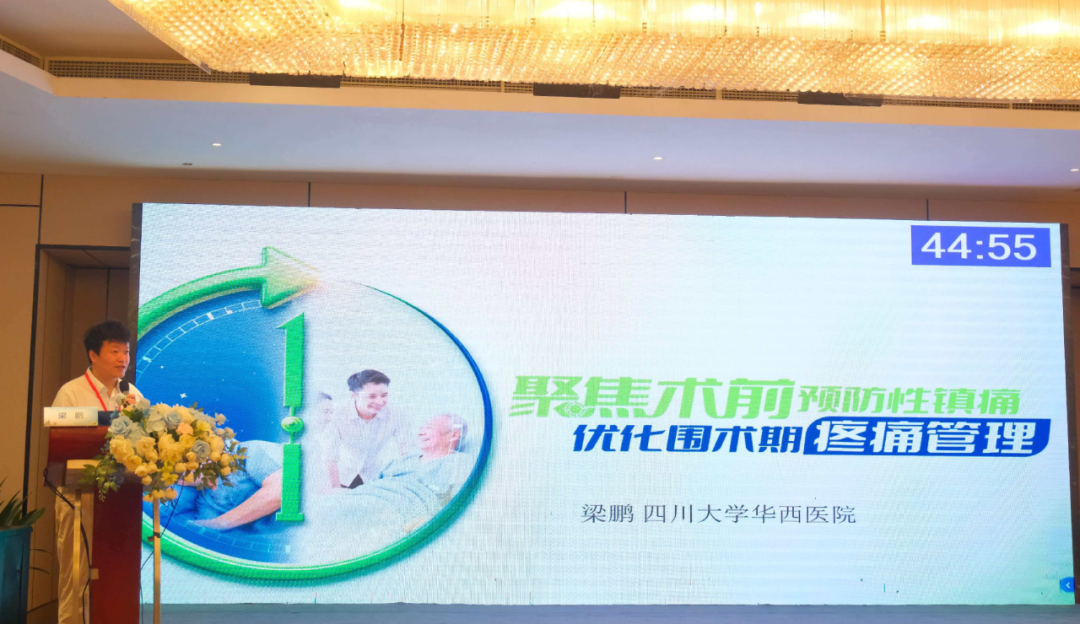
Professor Liang Peng, West China Hospital of Sichuan University
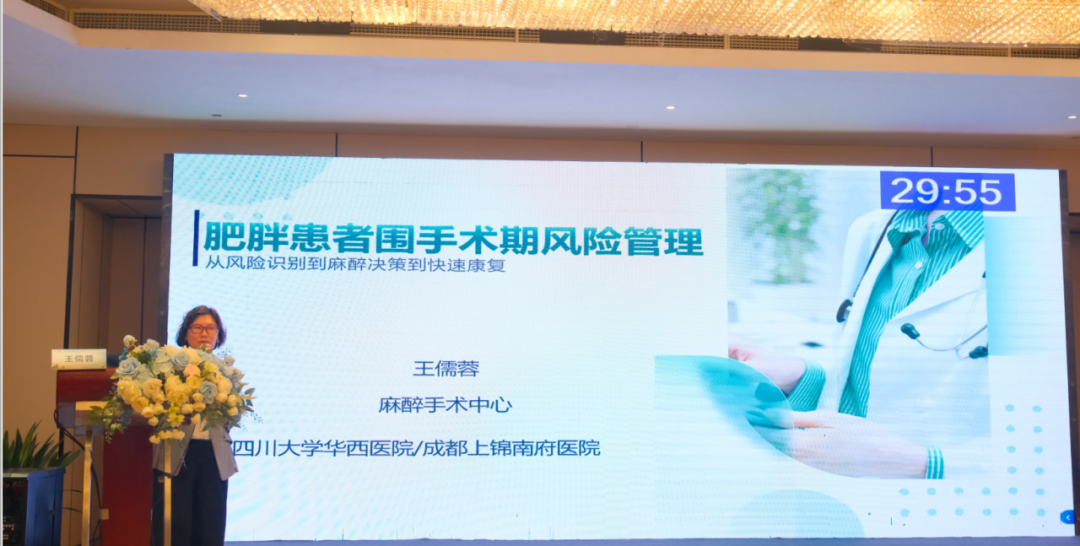
Professor Wang Rurong, West China Hospital Shangjin Branch of Sichuan University
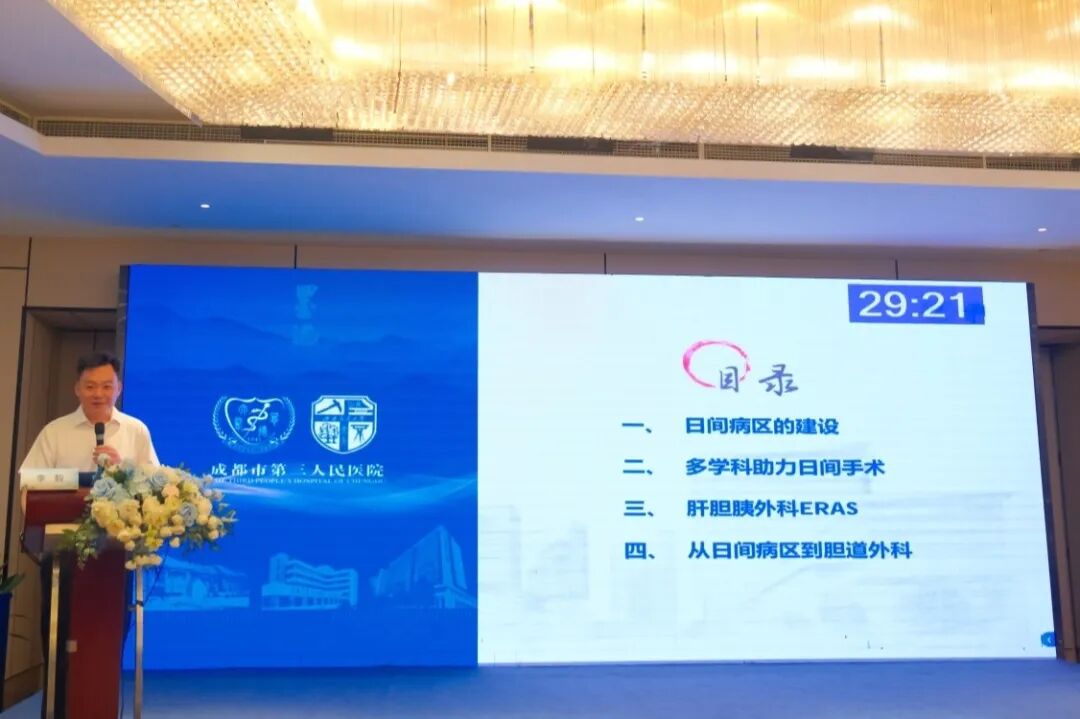
Professor Li Yi, The Third People’s Hospital of Chengdu

Professor Li Zhichao, West China Hospital Shangjin Branch of Sichuan University
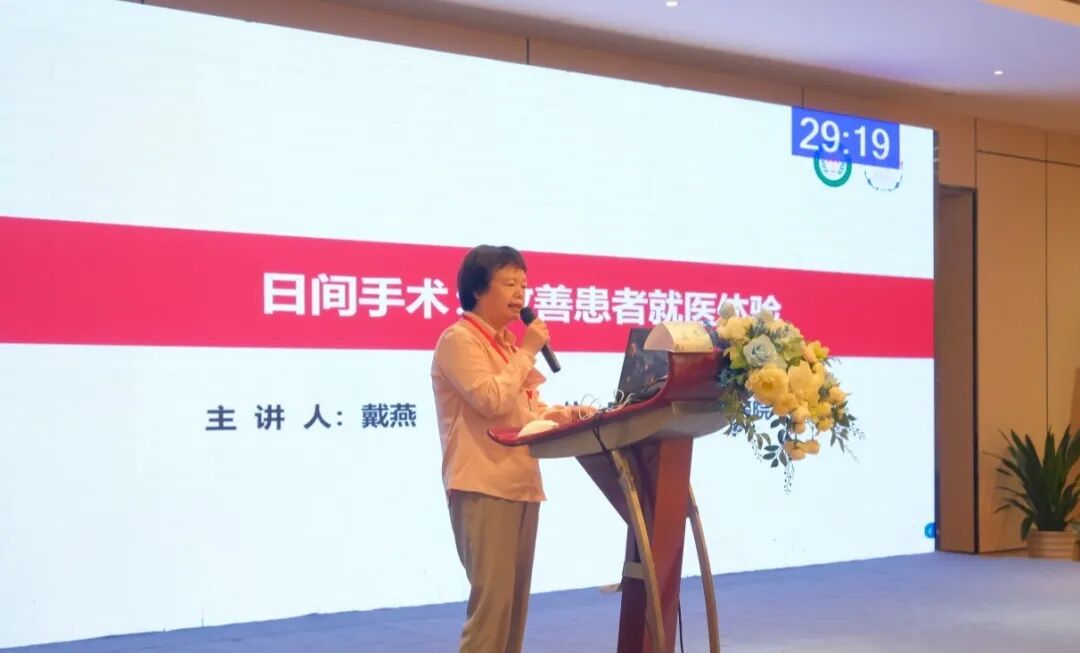
Professor Dai Yan, West China Hospital of Sichuan University
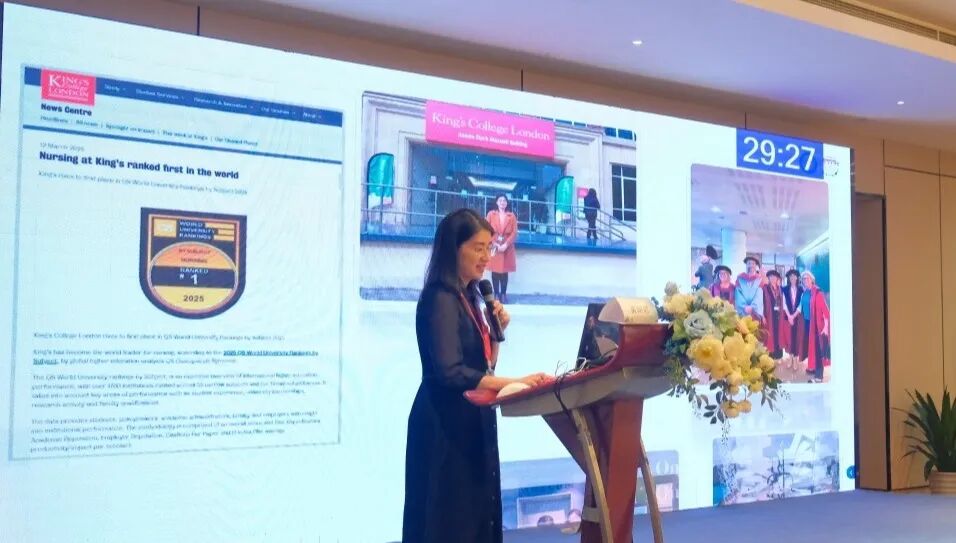
Professor Huang Mingjun, West China Hospital of Sichuan University
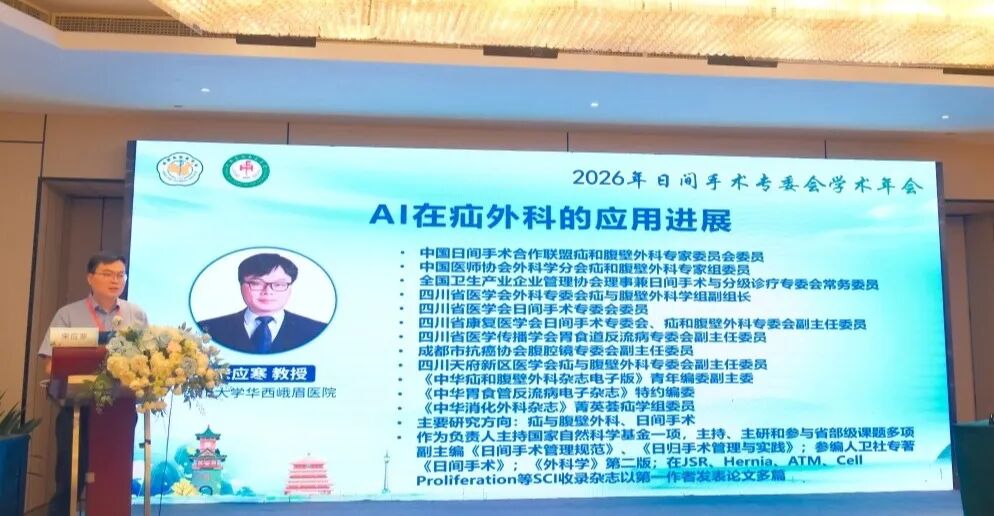
Professor Song Yinghan, West China Emei Hospital of Sichuan University
Session Moderators
3. Conference Summary
The successful convening of this conference further consolidated professional strengths in ambulatory surgery and facilitated academic communication among medical institutions. Going forward, the Ambulatory Surgery Committee of Chengdu Hi-Tech Medical Association will continue to build a regular academic exchange platform, promote standardized and normalized ambulatory surgery management models, accelerate the clinical rollout of advanced diagnosis and treatment technologies and smart medical tools, narrow regional development gaps, and continuously optimize the allocation of medical resources. It will deliver high-quality ambulatory surgery services to protect people’s health and fuel the high-quality development of medical and health undertakings.


