


On the afternoon of July 22, 2026, the Secretariat of Chengdu High-tech Zone Medical Association (CDHTMA) convened the 8th Party-Government Joint Meeting and Mid-year Work Summary Meeting of 2026. The meeting systematically reviewed work experience and achievements in the first half of the year and made overall plans for work in the second half. Relevant officials from the Health Bureau of Chengdu High-tech Zone, together with the Chairman and Vice Chairman of the Association’s Board of Supervisors, attended the meeting to provide guidance. The meeting was presided over by the Party Branch Secretary of the Association.

At the meeting, the Party Branch Secretary conveyed and studied the important speeches delivered by Xi Jinping at the Conference Celebrating the 105th Anniversary of the Founding of the Communist Party of China and the National Science and Technology Award Conference, as well as core provisions of the Measures for the Administration of Branches of Social Organizations, the Measures for the Administration of Evaluation and Commendation Activities Conducted by Social Organizations, and items for investigation into "Category 3–5 Issues" under the special rectification campaign targeting social organizations.
The meeting required all staff to raise their political stance and thoroughly study and implement the spirit of General Secretary Xi Jinping’s important speeches. Participants shall fully recognize the great significance of the issuance of the administrative measures governing branches and representative offices of social organizations, align their thinking and actions with all requirements set forth in the Measures, firmly establish a philosophy of law-based and compliant administration, rigorously standardize all work of branches, uphold the bottom line of compliance management, and resolutely put an end to all types of irregular and disciplinary violations.
During the meeting, relevant officials from the Health Bureau put forward requirements on the special rectification work. All staff must fully understand the political importance and solemnity of this rectification drive, conduct thorough self-examination and self-correction item by item against key rectification priorities, and remedy problems where they exist and guard against potential ones where they do not. All departments shall organize all staff to conduct in-depth study of relevant laws, regulations and rectification requirements, and ensure full communication and implementation of such requirements through group learning, knowledge assessments and other forms. The Association shall consistently adhere to its primary responsibilities as a non-profit academic social organization and ensure all operations are conducted in accordance with laws and regulations. Taking the rectification campaign as an opportunity, the Association shall integrate standardized management into daily routines, promote standardization through Party building and advance development via standardized governance, so as to comprehensively elevate its standardized governance capacity.
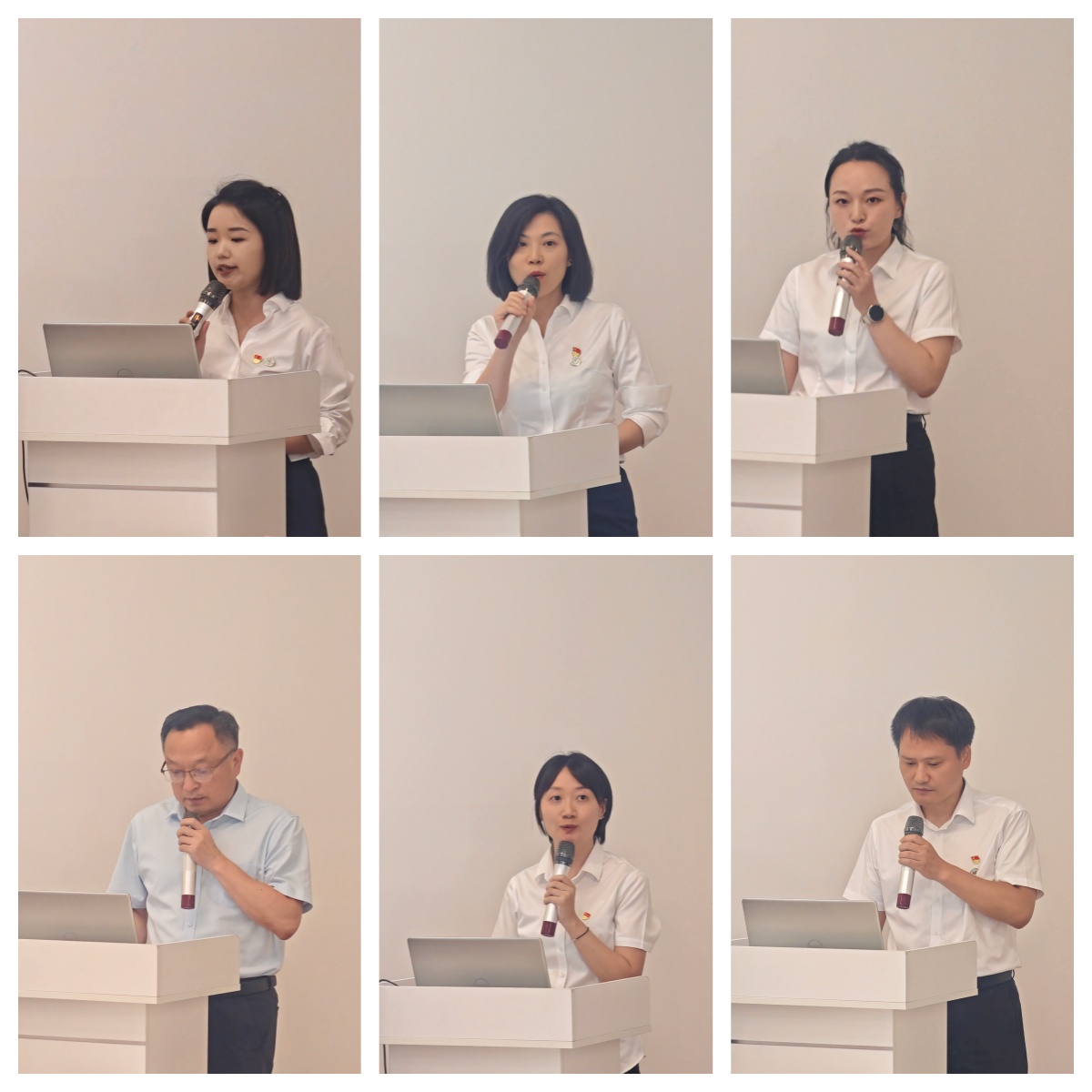
The meeting heard and examined reports on work completed by all departments of the Secretariat in the first half of the year, progress of key projects, and work plans for the second half of the year.
A written report on Party building and efforts to improve Party conduct and build integrity for the first half of 2026 was submitted at the meeting.
The Board of Supervisors set forth work requirements on implementing new industrial regulations during the meeting. All staff must strictly benchmark themselves against new requirements and rules, carry out rigorous self-examination and self-correction, remedy existing deficiencies and guard against potential risks, and avoid complacency stemming from past achievements. The Association shall actively explore pragmatic and efficient models for organizing academic activities under the new context.
In the closing session, participating leaders delivered targeted comments on the mid-year performance of each department, acknowledging achievements while identifying weak links, and specifying clear requirements for key tasks in the second half of the year.
First, deepen Party building leadership and consolidate the foundation for integrity. The Association shall uphold the Party’s leadership throughout all governance activities, continuously strengthen theoretical education and ideological and political guidance, and fully implement the primary and oversight responsibilities for improving Party conduct and building integrity. Integrity requirements shall be deeply embedded in institutional development, process control and all aspects of daily administration. The Association shall refine the risk prevention and control system, and foster a sound political ecosystem characterized by integrity, standardized operation and a commitment to fulfilling responsibilities, providing robust political and disciplinary guarantees for its high-quality development.
Second, consolidate development foundations and upgrade governance capacity. Based on its primary missions and functional positioning, the Association shall continuously improve its internal management system to advance scientific decision-making, refined administration and standardized operation. It will further optimize workflows, strengthen team development, and boost professional competence and service efficiency. Centered on members’ needs and industrial development, the Association will enhance comprehensive service capabilities, continuously accumulate momentum for growth, and lay a solid foundation for its long-term sound development.
Third, pursue innovation-driven development to empower industrial upgrading. Closely responding to development demands of regional health services and the pharmaceutical and healthcare industry, the Association shall leverage its strengths in expert resources and academic platforms, deepen medical-engineering integration and the commercialization of scientific and technological achievements, and promote collaborative development among industry, universities, research institutes and end users. It will intensify industrial engagement and exchanges, guide industrial development through academic advancement and drive industrial upgrading via innovation, steadily lifting the Association’s academic influence and industrial contribution within the sector, and contributing wisdom and strength to the high-quality development of regional health services and the


