


To consolidate medical practitioners’ foundational knowledge of skin stratified anatomy, deepen their understanding of the latest advances in precise minimally‑invasive anti‑aging technologies at home and abroad, enhance hands‑on clinical proficiency, master practical skills, and cultivate professionals with core competencies in stratified anti‑aging, a structured continuing medical education practical activity entitled Training Course on Technical Advancement and Risk Control of Precise Minimally‑Invasive Stratified Anti‑Aging was held successfully in Chengdu on July 30, 2026. Hosted by Chengdu Hi‑Tech Medical Association and undertaken by Chengdu Hi‑Tech Milan‑Baiyu Medical Aesthetic Hospital, the training adopted a hybrid online‑offline format. It brought together distinguished experts from inside and outside Sichuan Province, attracting more than 300 participants from dermatology and medical‑aesthetic departments of medical institutions at various levels across the country. Attendees included key practitioners such as plastic surgeons, dermatologists, clinical medical‑aesthetic operators and specialized nursing staff.
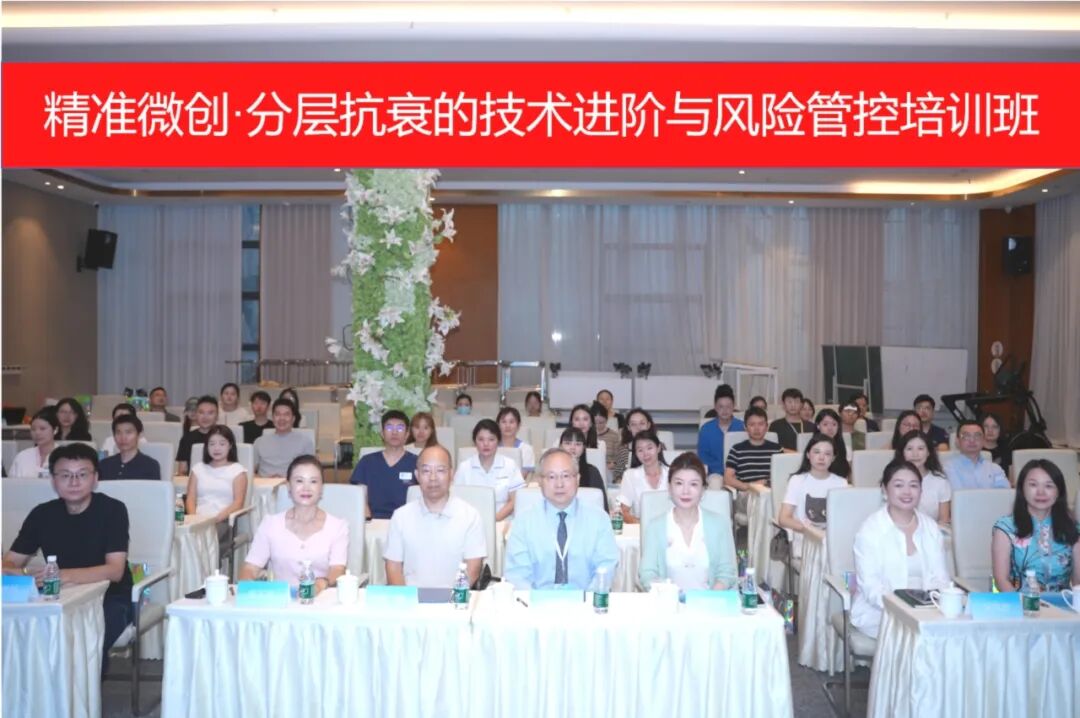
Opening Ceremony
The opening ceremony was addressed by Ai He (Person‑in‑Charge, Chengdu Hi‑Tech Medical Association), Professor Wu Sufan from Zhejiang Provincial People’s Hospital, and Ms. Liu Qiaolian, Deputy General Manager of Chengdu Hi‑Tech Milan‑Baiyu Medical Aesthetic Hospital.
Speakers
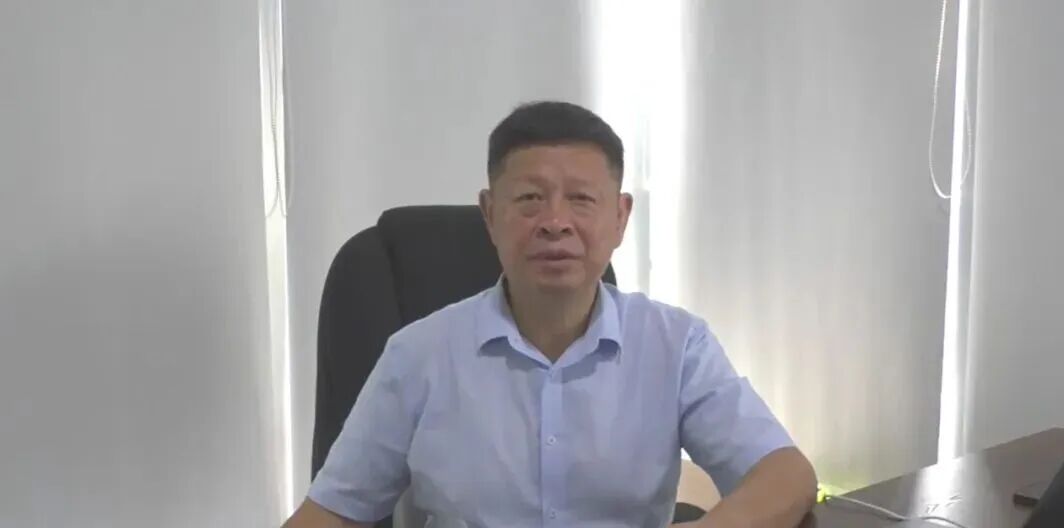
Ai He, Person‑in‑Charge, Chengdu Hi‑Tech Medical Association
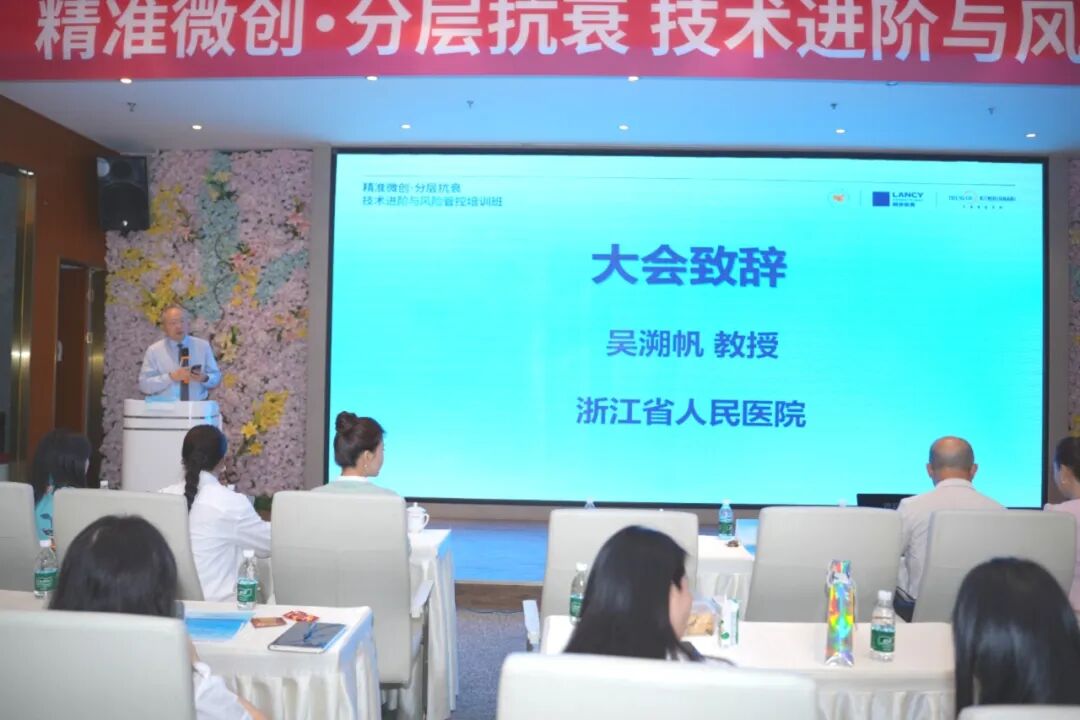
Professor Wu Sufan, Zhejiang Provincial People’s Hospital
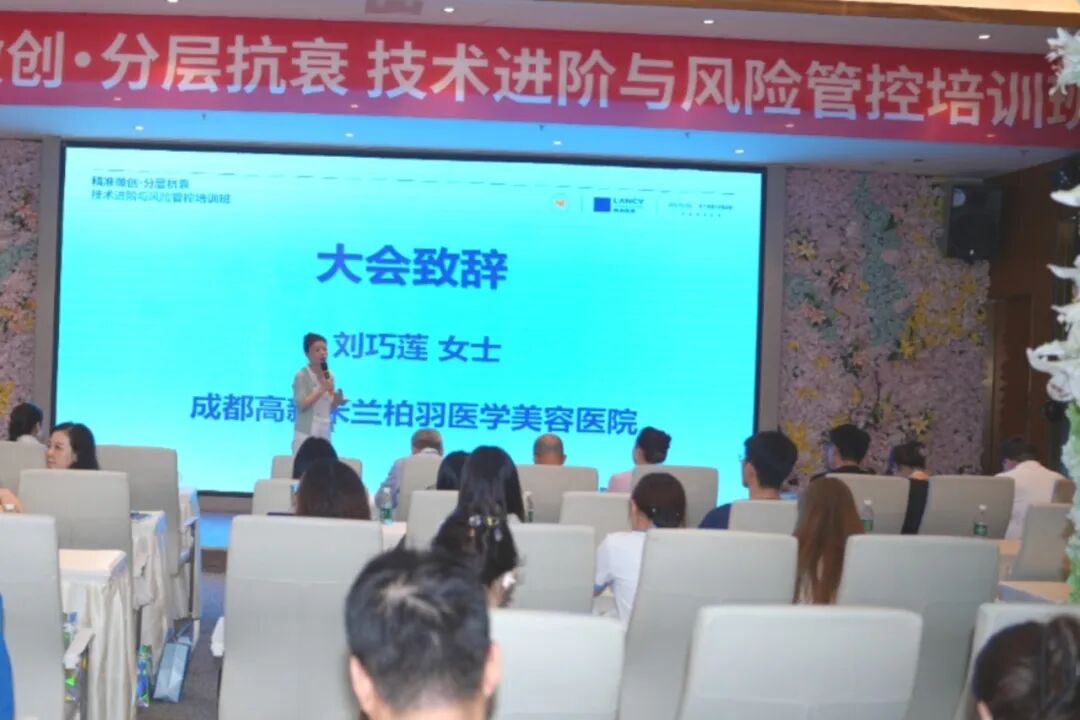
Liu Qiaolian, Deputy General Manager, Chengdu Hi‑Tech Milan‑Baiyu Medical Aesthetic Hospital
The speakers noted that minimally‑invasive anti‑aging techniques are evolving rapidly, bringing both opportunities and clinical risks. Medical professionals engaged in dermatology and medical aesthetics should firmly uphold clinical safety principles, keep exploring cutting‑edge stratified anti‑aging techniques, and attach equal importance to standardized management of basic skin disorders and prevention and control of medical‑aesthetic complications.
Academic Sessions
Integrating theoretical lectures with hands‑on practice, the training delivered systematic medical‑aesthetic curricula. Invited lecturers included Professor Wu Sufan (Zhejiang Provincial People’s Hospital), Professor Liu Gang (Sichuan Provincial People’s Hospital), Professor Chen Shuangyu, Technical Vice‑President Xu Kejun, Technical Deans Wu Fengling and Liu Jing, and Technical Director Hou Xiaoxiao from Chengdu Hi‑Tech Milan‑Baiyu Medical Aesthetic Hospital.
Lecturers (in order of presentation)
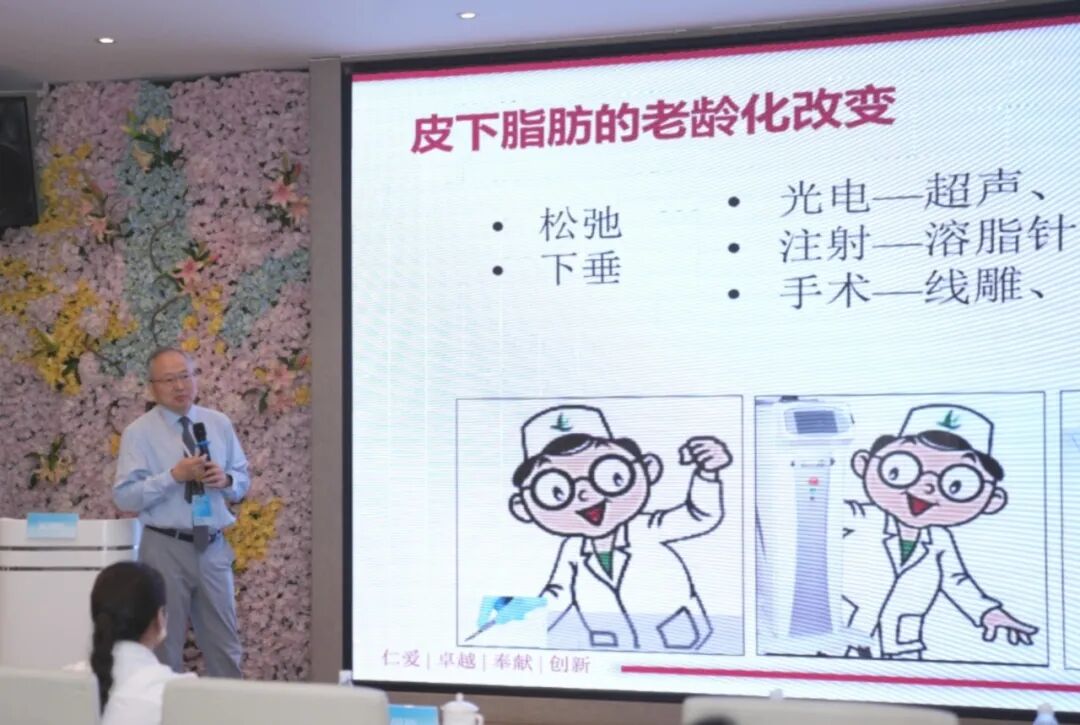
Professor Wu Sufan, Zhejiang Provincial People’s Hospital
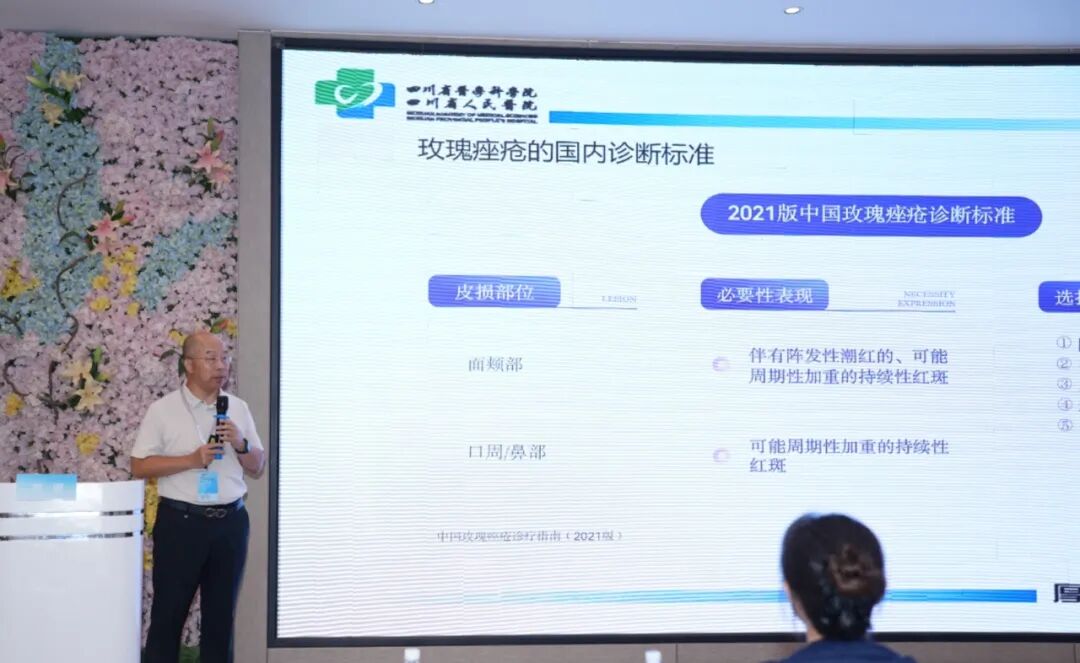
Professor Liu Gang, Sichuan Provincial People’s Hospital
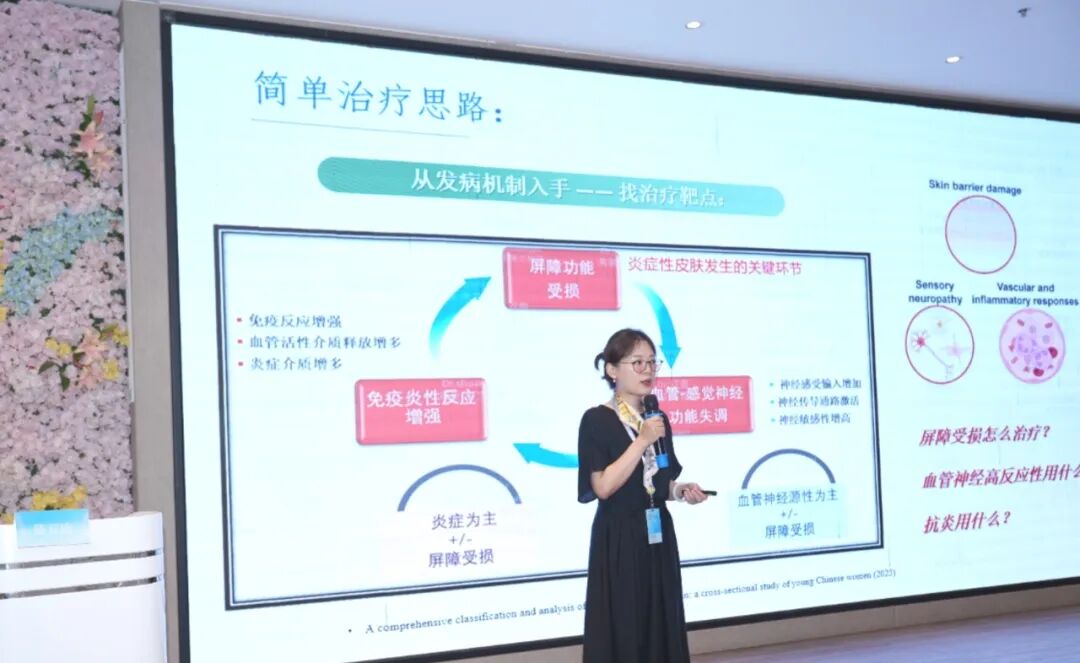
Professor Chen Shuangyu, Chengdu Hi‑Tech Milan‑Baiyu Medical Aesthetic Hospital
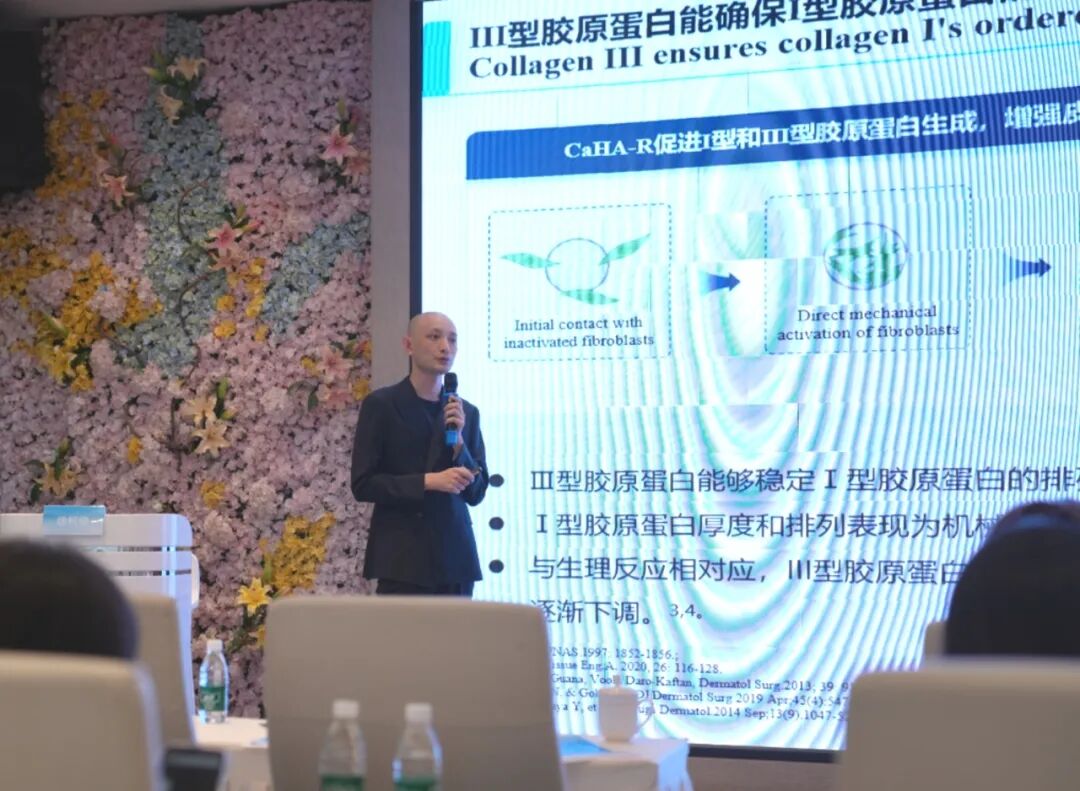
Xu Kejun, Technical Vice‑President, Chengdu Hi‑Tech Milan‑Baiyu Medical Aesthetic Hospital
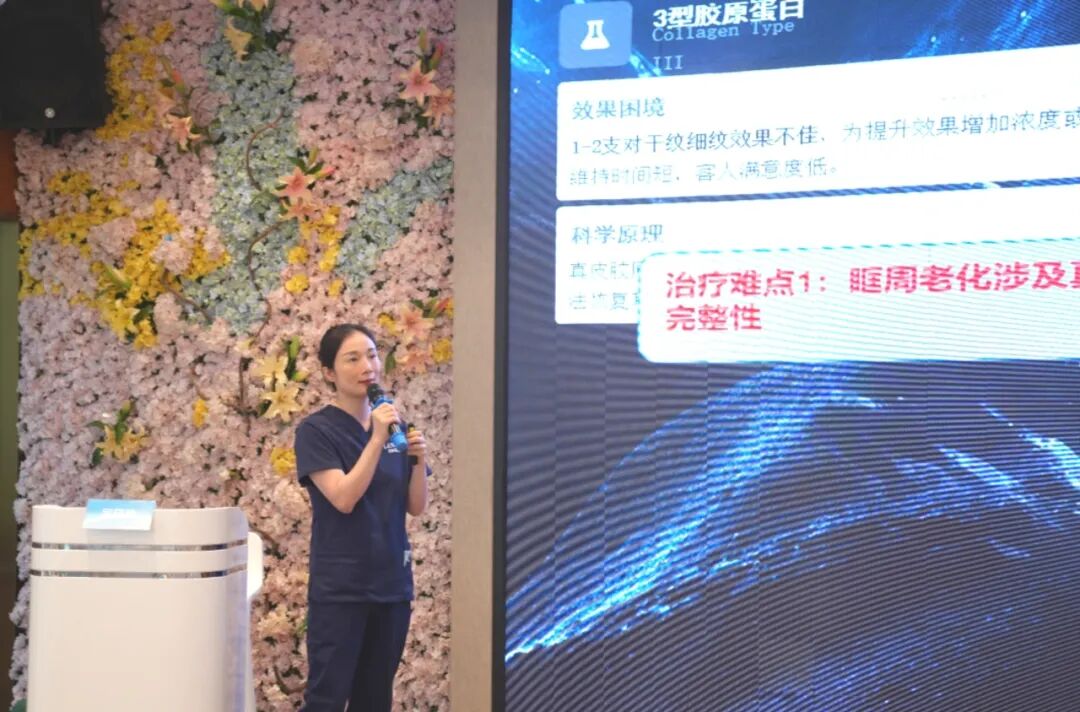
Wu Fengling, Technical Dean, Chengdu Hi‑Tech Milan‑Baiyu Medical Aesthetic Hospital
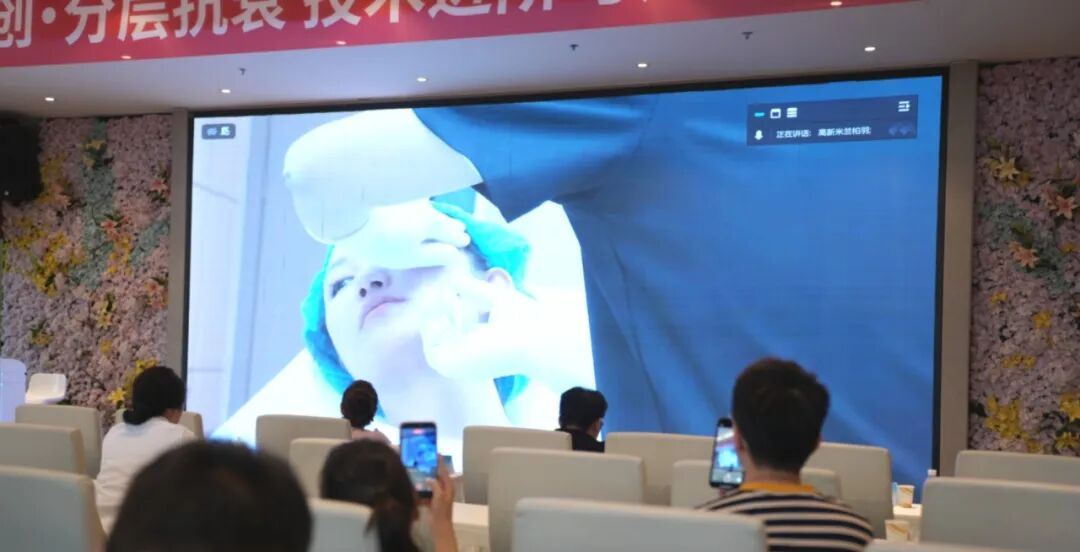
Liu Jing, Technical Dean, Chengdu Hi‑Tech Milan‑Baiyu Medical Aesthetic Hospital
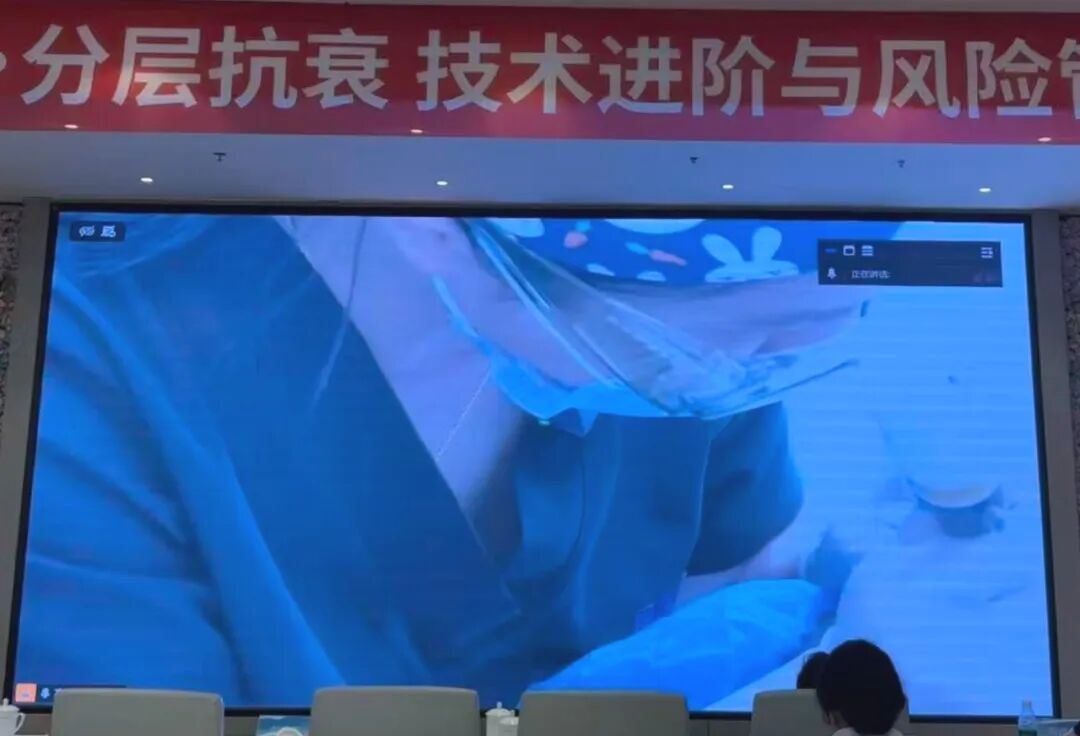
Hou Xiaoxiao, Technical Director, Chengdu Hi‑Tech Milan‑Baiyu Medical Aesthetic Hospital
Lecturers covered anatomical fundamentals for facial minimally‑invasive rejuvenation, shared diagnostic and therapeutic strategies for rosacea and inflammatory dermatoses, and discussed comprehensive management of sensitive skin conditions. Focusing on mainstream minimally‑invasive anti‑aging modalities, they elaborated on the clinical application of calcium hydroxyapatite microspheres for facial contour rejuvenation and standardized treatment protocols for periorbital fine lines. Live practical demonstrations were performed for PLLA (poly‑L‑lactic acid) facial rejuvenation and multi‑site CO₂ fractional laser procedures. Interactive Q&A sessions were arranged, where participants actively raised questions concerning challenging clinical cases and operational difficulties encountered in daily practice. Experts provided detailed responses regarding technical essentials, complication prevention and risk management, fostering vigorous on‑site academic discussions.
Summary
This event built an efficient academic exchange platform for medical aesthetics. It helped clinicians develop individualized and standardized thinking for facial anti‑aging treatment, promoted safe and standardized practice of minimally‑invasive aesthetic medicine, and facilitated high‑quality and sustainable development of the industry. Moving forward, Chengdu Hi‑Tech Medical Association will build a long‑term academic exchange platform based on this training program, advance standardized and high‑quality facial minimally‑invasive anti‑aging services in the local region, and continuously improve public satisfaction with aesthetic medical care.


